




By Kumar Surender Sinwar, Founder & CEO, MIHealth360
Discussions about strengthening India’s healthcare system often focus on infrastructure—more hospitals, more beds, and more medical equipment. While these investments remain critical, there is another challenge that deserves equal attention: the growing gap between diagnostic demand and the availability of clinical expertise.
India’s healthcare system is witnessing a steady rise in patient volumes, chronic disease burden, emergency cases, and advanced imaging requirements. Yet the availability of specialist resources, particularly radiologists, has not kept pace with this growth. Across many hospitals and diagnostic centres, clinicians are being asked to do more with the same resources, often under significant time pressure.
The challenge is no longer just about increasing the number of healthcare professionals. It is about expanding the effective capacity of the workforce that already exists. This is where artificial intelligence (AI) has the potential to play a meaningful role—not by replacing clinicians, but by enabling them to work more efficiently, consistently, and at greater scale.
The Growing Pressure on Diagnostic Services
Medical imaging has become central to modern healthcare. CT, MRI, and X-ray studies are increasingly relied upon for emergency care, trauma assessment, stroke management, oncology, and routine clinical decision-making.
At the same time, imaging volumes continue to rise across both public and private healthcare institutions. Radiologists are expected to review growing numbers of studies while maintaining high levels of accuracy and timely reporting. In many healthcare settings, the challenge is not the complexity of individual cases, but the sheer volume of scans requiring interpretation.
As workloads increase, so does the risk of reporting delays, workflow bottlenecks, and clinician fatigue. These operational pressures can directly affect patient care, particularly in time-sensitive situations where every minute matters.
The question facing healthcare leaders today is not whether AI can replace clinicians—it cannot. The real question is whether healthcare systems can continue to meet rising diagnostic demand without technology acting as a force multiplier.
Expanding Clinical Capacity Through AI
Artificial intelligence is increasingly demonstrating value in diagnostic workflows by helping healthcare teams manage volume more effectively.
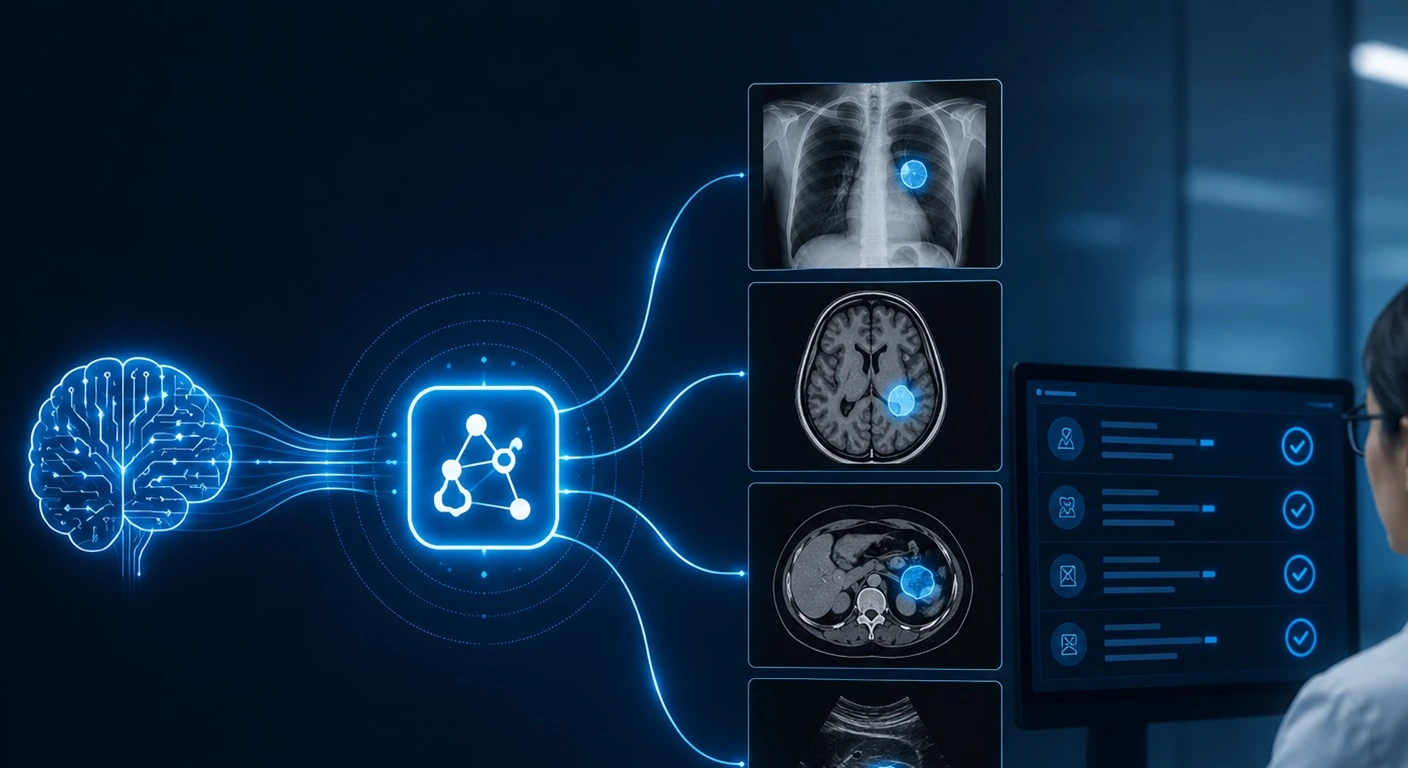
In radiology, AI can analyse imaging studies as they are acquired, identify potential abnormalities, and prioritise cases that may require urgent review. This allows radiologists to focus their attention where it is needed most while reducing the time spent navigating large reporting queues.
The impact is particularly significant in emergency care settings. Conditions such as intracranial haemorrhage, stroke, and severe trauma often require rapid identification and intervention. AI-assisted triage can help ensure that critical cases are brought to clinical attention sooner, supporting faster decision-making and treatment pathways.
Importantly, these systems do not make clinical decisions independently. They serve as an additional layer of intelligence that supports clinicians by surfacing findings that warrant immediate review.
In high-volume environments, even modest improvements in workflow efficiency can translate into meaningful gains in patient care.
Improving Access to Expertise
The benefits of AI extend beyond operational efficiency. They also help address one of India’s most persistent healthcare challenges: unequal access to specialist expertise.
Many Tier-II and Tier-III cities continue to face shortages of radiologists and specialist clinicians. While advanced imaging equipment may be available, timely expert interpretation is not always accessible.
AI-powered diagnostic platforms can help bridge this gap by providing preliminary analysis, structured prioritisation, and workflow support regardless of location. When combined with tele-radiology and digitally connected healthcare systems, these technologies can help extend specialist expertise beyond major urban centres.
This is particularly relevant for emergency imaging, where delays in interpretation can significantly affect clinical outcomes. Technology cannot eliminate geographic disparities, but it can help reduce their impact.
Building Smarter Diagnostic Workflows
The future of healthcare AI is not simply about detecting abnormalities. It is about creating more intelligent diagnostic workflows.
Hospitals today generate enormous volumes of clinical and imaging data. The challenge is ensuring that the right information reaches the right clinician at the right time. AI can support this process by helping prioritise urgent findings, reduce workflow inefficiencies, standardise reporting, and improve operational visibility across diagnostic departments.
For healthcare organisations, this means better utilisation of specialist resources. For clinicians, it means less time spent managing workflows and more time focused on patient care.
Healthcare will always remain a people-driven profession. Clinical judgement, experience, and compassion cannot be automated.
However, as healthcare demand continues to outpace the growth of specialist resources, technology will play an increasingly important role in strengthening healthcare capacity. AI’s greatest contribution may not be replacing human expertise, but enabling that expertise to reach more patients, more quickly, and more effectively.
For India, the opportunity is clear. The future of healthcare will depend not only on how many clinicians we train, but also on how effectively we equip them to meet the growing demands of modern healthcare. In that future, AI can serve as one of the most powerful clinical capacity multipliers available to us.
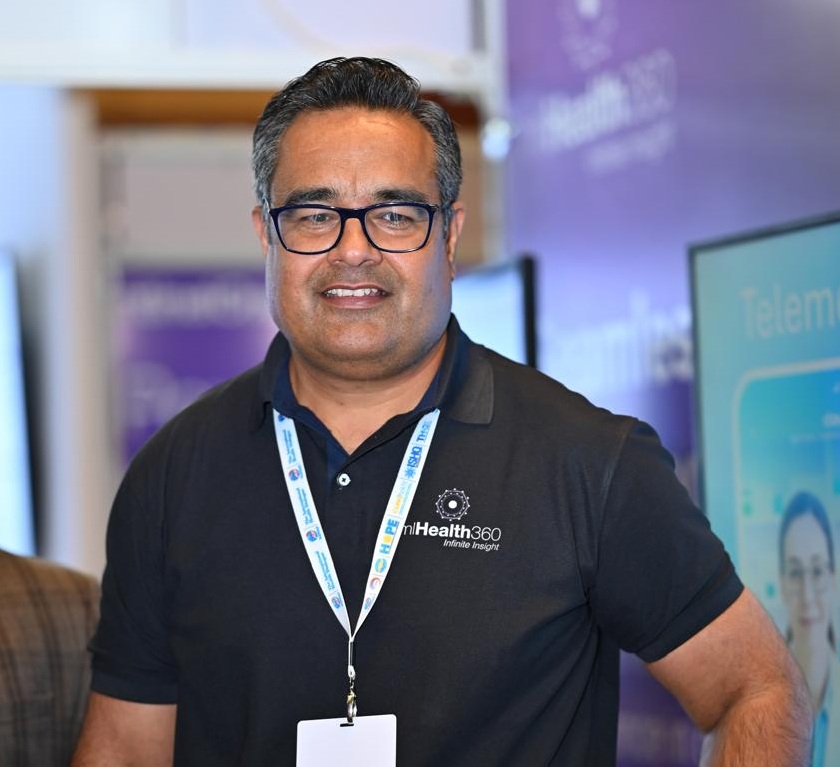
Kumar Surender Sinwar, Founder & CEO, MIHealth360