






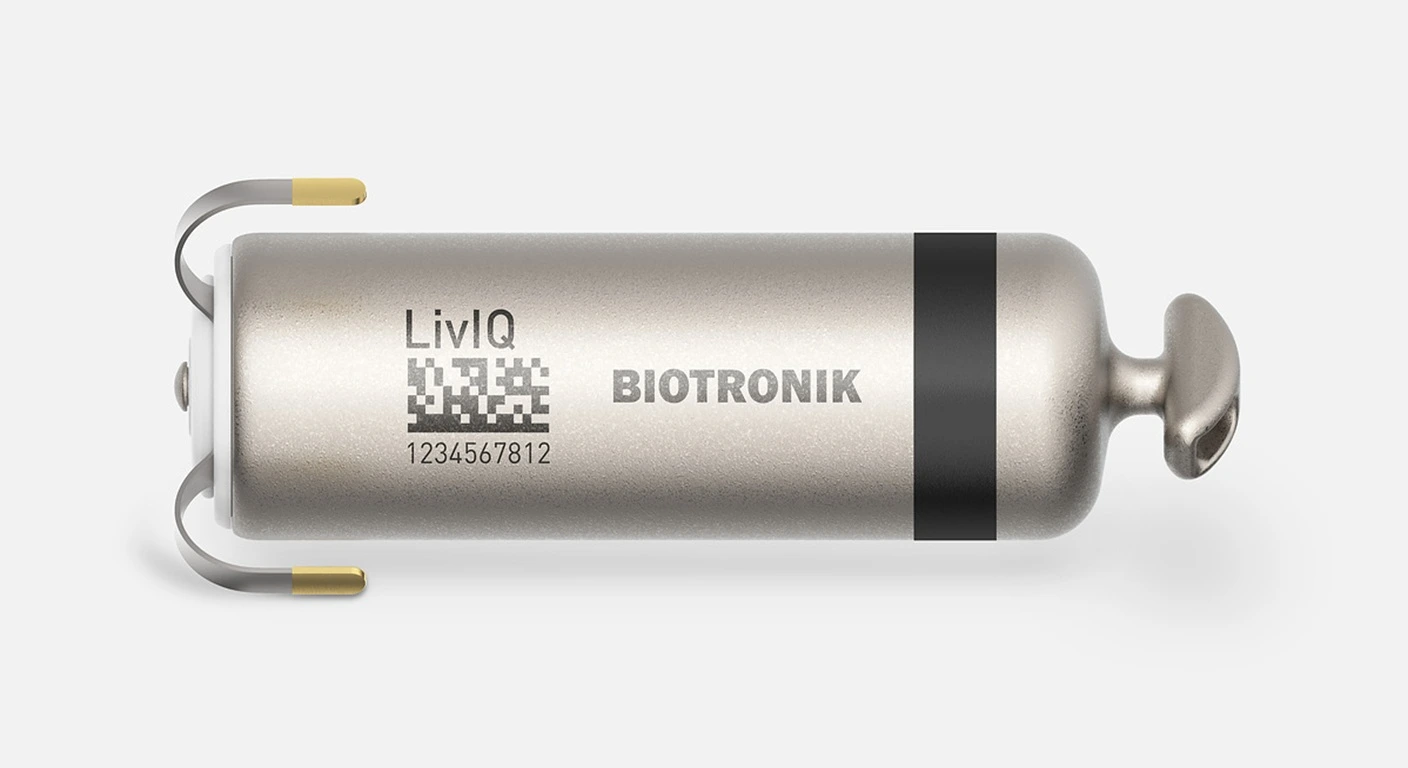
Biomedical technology company BIOTRONIK has announced the first US implantation of its investigational next-generation leadless pacemaker, LivIQ, as part of the global pivotal BIO-LivIQ clinical trial.
LivIQ is designed as a single-device solution to deliver atrioventricular (AV) synchrony through advanced electrical atrial far-field sensing technology.
The implant was successfully performed by James Ip, Professor of Medicine, Director of Cardiac Pacing and Implantable Devices and Principal Investigator at Weill Cornell Medicine, who also serves as a Cardiac Electrophysiologist at NewYork-Presbyterian/Weill Cornell Medical Center.
“Our team is pleased to be the first to implant the LivIQ device in the United States. This novel leadless pacemaker that is designed to provide AV synchronous pacing using a single device could potentially advance the field of leadless pacing,” said James.
According to BIOTRONIK, LivIQ uses novel far-field sensing technology to electrically detect atrial activity and has been engineered to support single-device VDD mode, enabling AV synchrony across a broad range of clinical settings.
In addition to its far-field sensing capabilities, the system features a highly manoeuvrable catheter intended to provide greater precision and predictable device placement, helping streamline the implantation process.
Dr. David Hayes, Chief Medical Officer, BIOTRONIK, said the company developed LivIQ to address limitations associated with current leadless pacing technologies.
“We designed LivIQ to address critical gaps in current leadless technologies: a single-device leadless solution that combines intuitive catheter handling with AV synchrony, particularly when an elevated heart rate and higher cardiac output is required,” Hayes said.
“We are pleased to see the first US implant completed and look forward to continued enrollment as we work to bring this needed technology to clinicians worldwide,” he added.
The BIO-LivIQ study is a prospective multicenter clinical investigation that plans to enrol 325 patients across 60 sites worldwide. The study will assess device safety, pacing performance, AV synchrony behaviour, and quality-of-life outcomes to generate the evidence required for global regulatory submissions.