






The global medical robots market is expected to witness strong growth over the next five years, expanding from approximately USD 20.6 billion in 2026 to USD 41.7 billion by 2031 at a compound annual growth rate (CAGR) of 15.1 per cent, according to MarketsandMarkets.
The market’s rapid expansion reflects the increasing adoption of robotic-assisted technologies in healthcare settings, driven by the rising burden of chronic diseases, increasing surgical volumes, an ageing population, and growing demand for minimally invasive and precision-based treatments.
Medical robots are increasingly being deployed across multiple healthcare applications, including surgery, rehabilitation, hospital operations, pharmacy automation, and radiosurgery. Their ability to enhance procedural accuracy, improve clinical outcomes, reduce recovery times, and support operational efficiency is accelerating adoption across healthcare facilities worldwide.
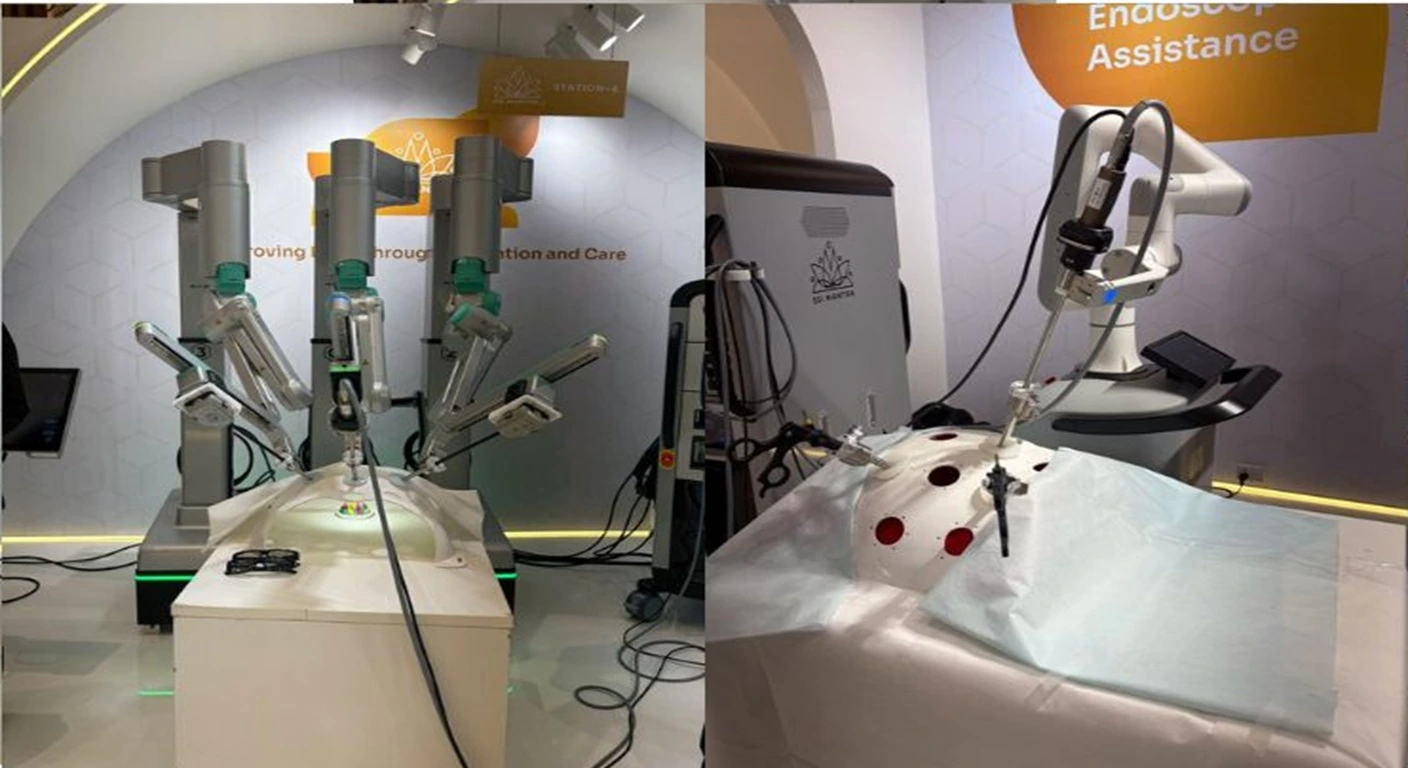
Among different product categories, surgical robotic systems are projected to account for the largest share of the market during the forecast period. Increasing use of robotic-assisted procedures across specialties, including general surgery, urology, gynaecology, orthopaedics, and spine surgery, is driving growth.
By products and services, the instruments and accessories segment held the largest market share in 2025. Unlike robotic platforms, which are purchased less frequently, instruments and accessories generate recurring demand due to repeated clinical use. This category includes procedure-specific instruments, surgical tools, disposable accessories, end-effectors, and replacement components used across robotic-assisted procedures.
From an end-user perspective, ambulatory surgery centres (ASCs) are expected to emerge as the fastest-growing segment. Lower procedural costs compared with hospitals is driving higher adoption of ambulatory surgery centers among patients. Increasing investments in advanced ambulatory care infrastructure and the development of compact, procedure-specific robotic platforms are expected to further fuel market growth in this segment.
Regionally, North America dominated the global medical robots market in 2025, supported by strong healthcare infrastructure, favourable reimbursement policies, early adoption of advanced technologies, and the presence of leading medical robotics manufacturers. Meanwhile, Asia Pacific is projected to register the fastest growth during the forecast period, driven by expanding healthcare infrastructure, increasing investments in digital health, and rising acceptance of robotic-assisted care.
However, despite strong momentum, several challenges remain. High costs for robotic systems, recurring maintenance expenses, lengthy procurement cycles, limited reimbursement support in some markets continue to restrict wider adoption. Additional barriers include regulatory complexities, integration challenges, and a shortage of skilled professionals capable of operating advanced robotic systems.