



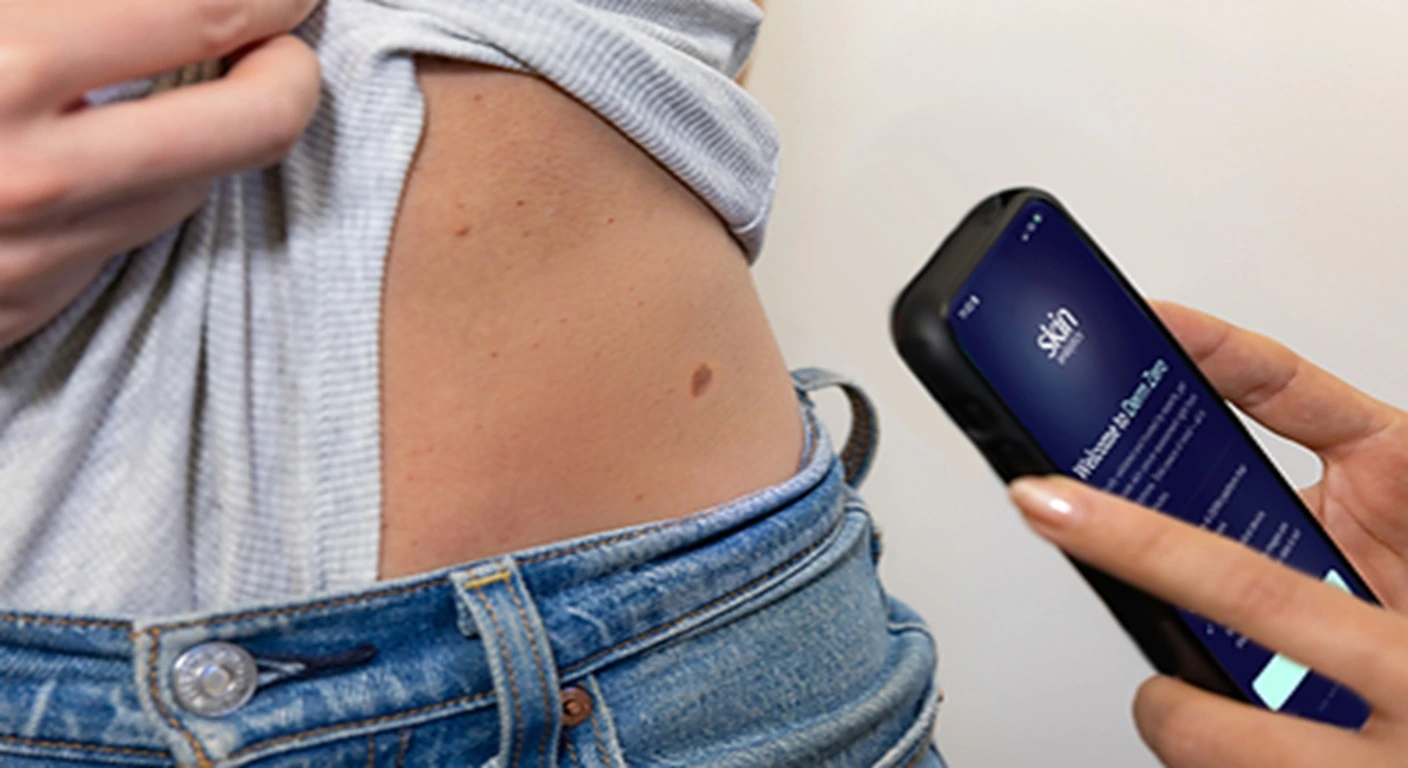
A skin cancer assessment that once required specialist equipment and a hospital visit can now be completed in seconds using a smartphone, thanks to a new app launched by Skin Analytics.
Unveiled at HLTH Europe in Amsterdam on June 16, 2026, DERM Zero is being described as the world’s first regulated medical device technology approved to autonomously assess skin cancer using a standard smartphone.
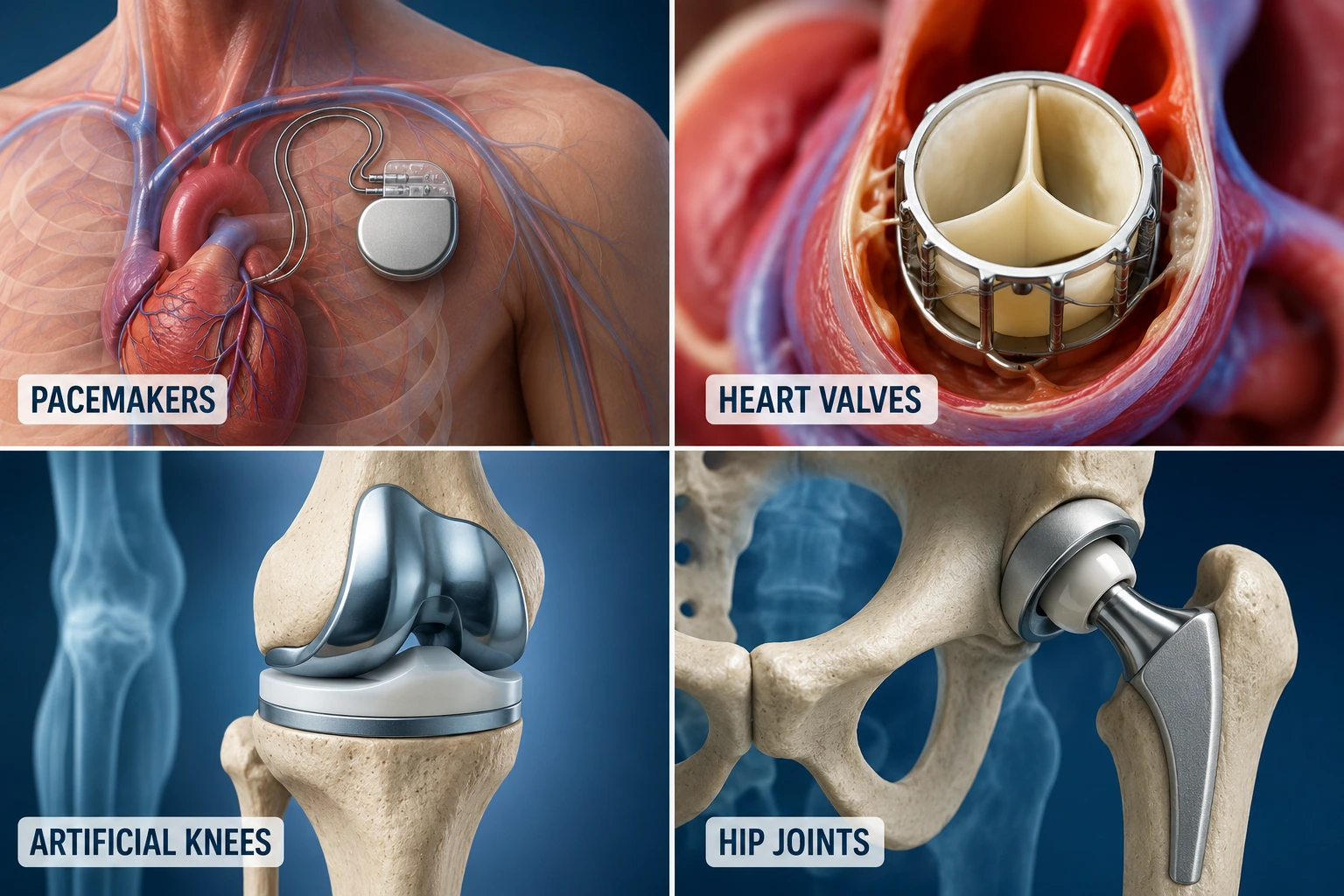
The app is also the only smartphone-compatible solution to receive Class III CE marking — the European Union’s highest medical device classification, typically reserved for devices such as pacemakers.
Designed to support earlier access to skin cancer assessment, DERM Zero enables healthcare providers to deliver clinical-grade checks in primary care, pharmacies and community settings, removing the need for hospital appointments or specialist imaging equipment.
Developed by Skin Analytics, DERM Zero is powered by the same Class III-regulated AI platform used across 24 NHS hospitals for six years. DERM has assessed over 230,000 patients, detected more than 20,000 cancers, and has been shown to perform at least as well as face-to-face dermatologist assessment.
According to Skin Analytics, DERM has been trained for more than a decade on a large dataset of skin cancer images, including common cancers, pre-cancerous conditions, and benign lesions. Its post-market surveillance data shows the platform detects 98 per cent of cancers.
The company says DERM remains the first and only Class III CE-marked AI medical device for skin cancer detection and can autonomously discharge up to 40 per cent of urgent suspected skin cancer referrals.
Skin cancer assessment: How Derm Zero works
Using the smartphone app, users capture a location image and a close-up image of a mole or skin lesion. Within seconds, the system provides a clinical decision — either confirming that no further action is required or recommending referral through the provider’s specialist pathway for further assessment and treatment. Using pattern recognition, Derm Zeroidentifies features that may not be visible to the naked eye.
Unlike existing skin check apps, DERM Zero provides dermatologist-level reassurance without the need for a second review by a clinician. Skin lesions with no concern are cleared without further review, while suspicious cases are flagged for medical assessment.
DERM Zero removes barriers to early cancer detection
Early detection is critical to improving skin cancer survival, but for most people, getting a clinical assessment has meant time off work, a GP visit, and weeks of waiting for a specialist appointment. DERM Zero aims to remove these barriers by enabling rapid skin assessment through a smartphone.
Skin Analytics believes DERM Zero could support new patient-centred care models and improve access to earlier diagnosis.
Neil Daly, Founder and CEO of Skin Analytics, said, “By enabling hundreds of millions of smartphones across the EU to conduct clinical quality skin cancer assessments, we can fundamentally change patient access, and we believe dramatically improve early detection.”
“We’re building new models of care with partners across Europe. This is the turning point when a skin cancer assessment will become as everyday as getting an ECG for AFib detection on a smartwatch. We see a world where no one dies of skin cancer, and this is how we get there,” he added.
Dr Alexandra Kemp, consultant dermatologist and Trust Cancer Clinical Director at Amersham Hospital, part of Buckinghamshire Hospitals NHS Trust, said the technology has already improved clinical capacity and efficiency within skin cancer pathways.
“When it comes to skin cancer, we know early diagnosis means better outcomes. To see this technology available on a smartphone, with no specialist equipment required, creates huge possibilities for expanding patient access and enabling earlier diagnosis,” Dr Kemp said.
Skin Analytics is working with partners across Europe to make DERM Zero available from June 2026.