






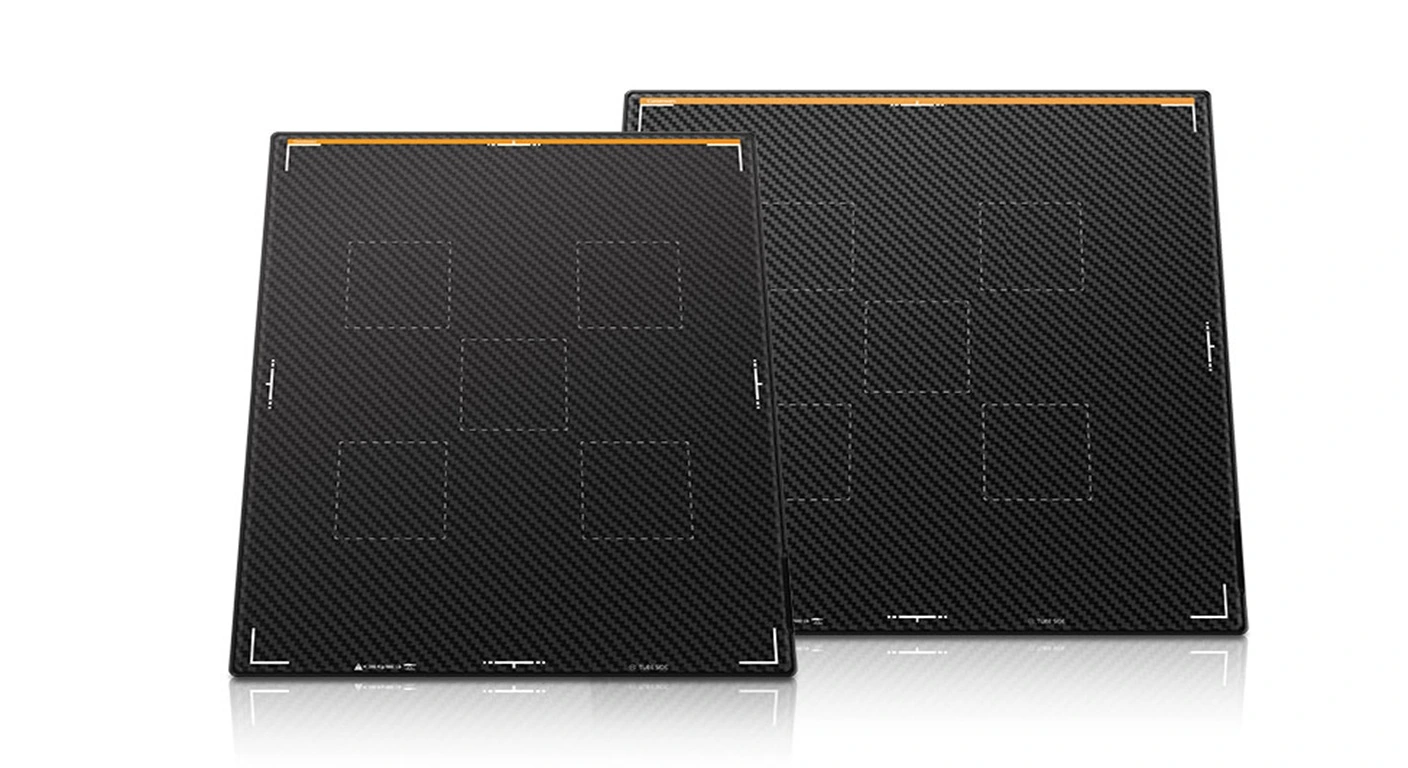
American medical imaging company Carestream has launched its next-generation Cesium Iodide (CsI) glass-free X-ray detectors globally for enhanced diagnostic accuracy and operational efficiency.
The new Carestream Lux HD 35 and Lux HD 43 detectors feature a 100-micron pixel pitch, delivering higher-resolution images with greater detail. The technology also enables image magnification, helping clinicians better visualize small objects and fine anatomical structures.
Carestream said the detectors are designed with lightweight, ergonomic features, making them easier to handle and position for the radiographers while improving patient comfort during examinations.
The new generation of digital radiography (DR) detectors also offers enhanced durability and improved ingress protection (IP) ratings for greater reliability in clinical settings.
A key feature of the new detectors is Detector Exposure Control (DEC) technology for wireless operation. The technology is designed to improve dose control and extend automatic exposure control (AEC) functionality beyond traditional bucky examinations to mobile imaging applications.
The DEC technology automatically adjusts X-ray exposure based on patient size and anatomical thickness to deliver consistent, high-quality images with optimal exposure. By providing the precise radiation dose required for each examination, it helps minimize repeat imaging caused by overexposure or underexposure.
According to the company, the Lux HD 35 and Lux HD 43 detectors are compatible with several Carestream digital radiography systems, including DRX-Evolution Plus, DRX-Revolution Plus, DRX-Compass, DRX-RISE, DRX-1 System, and DRX-Transportable System/Lite.
They also incorporate Carestream’s X-Factor technology, allowing a detector to be shared across multiple DRX systems within the same healthcare facility.
The detectors operate with Carestream’s ImageView software platform, powered by Eclipse artificial intelligence.
The company also plans to launch the Lux HD 2530 detector, based on the same platform, in the second half of 2026.