




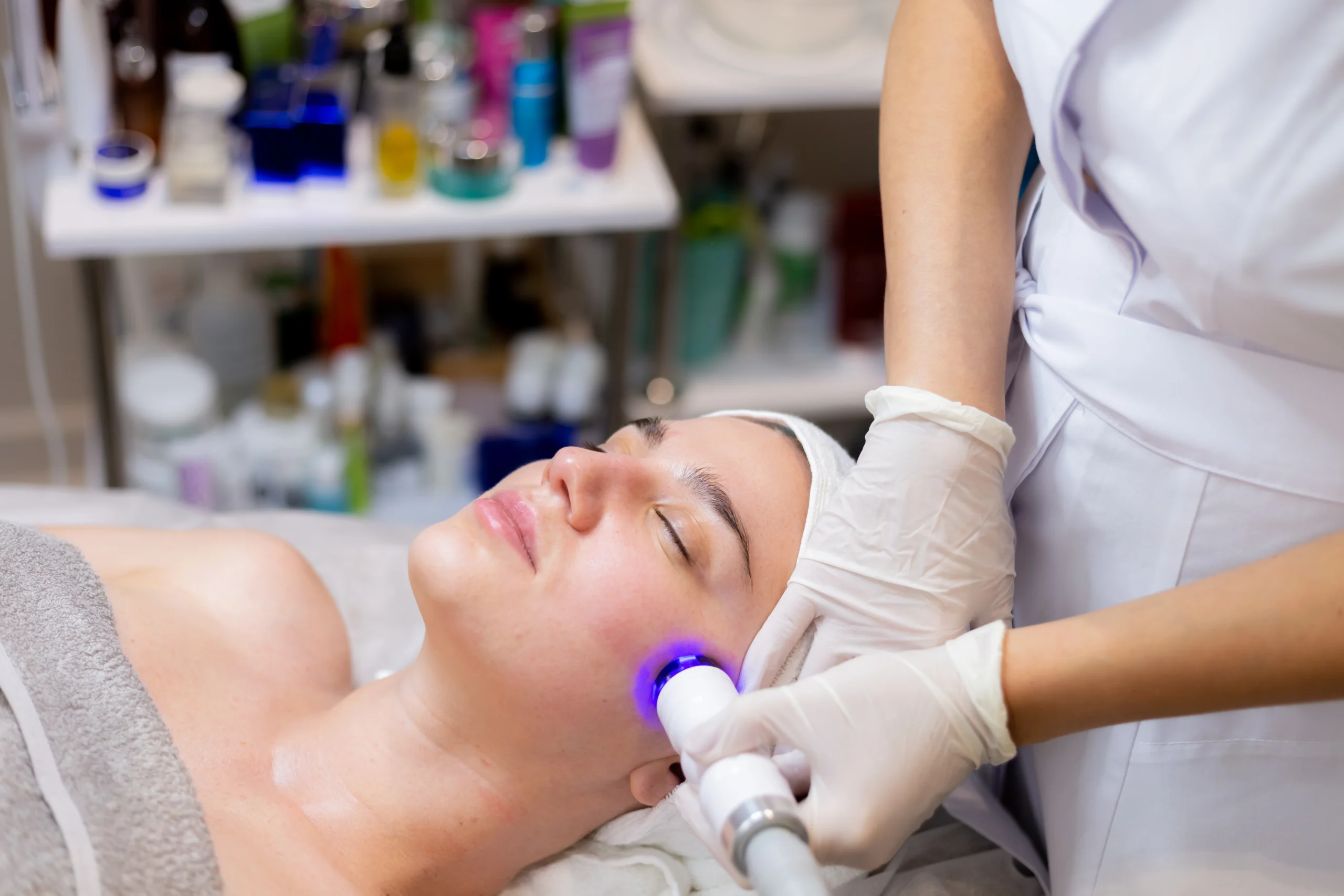
Botox, dermal fillers, radiofrequency (RF), microneedling – these are some of the most talked-about procedures in the aesthetics industry today. But when it comes to anti-aging procedures, laser treatments are still a popular choice among patients due to reduced risks, faster recovery, and affordability compared to traditional surgical procedures.
Used for both therapeutic and cosmetic procedures, non-invasive laser treatments basically employ focused light beams to target specific tissues in the body. This minimizes damage to surrounding areas, allowing faster healing and fewer complications. In dermatology, laser treatments are commonly used to treat acne scars, fine lines, pigmentation issues, and to remove unwanted hair.
Different types of lasers
There are different types of lasers to address specific cosmetic and skin care needs, including ablative, non-ablative, fractional lasers, and picosecond lasers. Let’s understand their uses and benefits.
1. Ablative lasers (e.g., CO2, erbium)
Commonly used for skin resurfacing, these types of lasers remove the upper layers of skin, promoting the regeneration of new skin cells. They are good for enhancing skin texture, reducing wrinkles, and removing lesions.
CO2 Laser
It uses carbon dioxide gas to generate an invisible beam of light at a wavelength of 10.6 micrometers, which is absorbed by the water in your skin cells. This process vaporizes the epidermis, or superficial layer of your skin, and heats the dermis, or middle layer, stimulating the growth of new collagen fibers.
Erbium YAG (Er:YAG)
These are solid-state lasers that emit infrared light at 2.94 micrometers. Because Er: YAG laser causes minimal side effects compared to a CO2 laser, they are a more popular choice in ablative laser treatments.
2. Non-ablative lasers (e.g., Pulsed Dye Lasers, Nd:YAG lasers)
These types of lasers target deeper layers of the skin to stimulate collagen production. Non-ablative lasers are used for the treatment of fine lines, pigmentation, and acne scars.
Pulsed Dye Laser (PDL)
These are ideal for treating vascular birthmarks, haemangiomas, spider veinsbroken capillaries, and red scars. The laser emits light at 595 nanometers targeting hemoglobin (the oxygen-carrying molecule in red blood cells), which absorbs that energy and converts it to heat. The heat damages targeted vessels without damaging the surrounding tissue.
Q-switched Lasers
These are Nd: YAG lasers, popular for treating skin discolouration, uneven skin tone and tattoo removal. The Q-switching technique enables the laser to generate powerful short pulses, enabling it to target specific areas of the skin with precision and deliver safe and effective results.
3. Fractional lasers
They deliver energy in a grid-like pattern, targeting only a fraction of the skin at a time, leaving surrounding areas intact. This method allows the skin to heal faster with reduced downtime. Fractional CO2 lasers are beneficial for both resurfacing and rejuvenation.
4.Picosecond lasers (e.g., PicoSure)
These devices use ultrafast pulses to shatter pigment and boost collagen. These are best for melasma, post-inflammatory hyperpigmentation, and tattoo removal.
5. Intense Pulsed Light (IPL) Therapy
It uses broad-spectrum light pulses to treat skin conditions like sun damage, rosacea, age spots, and uneven skin tone by targeting melanin and blood vessels. Most sessions last 20 to 30 minutes, with minimal downtime, and patients can return to daily activities quickly.
6. RF microneedling
Beneficial for fine lines, acne scars, and skin tightening, this treatment works by enhancing collagen and elastin production.RF microneedling involvescreating controlled micro-injuries in the skin and delivering thermal energy deep into the dermis.
7. Emface
This is a non-invasive face-lifting procedure that uses synchronized radiofrequency energy (Sync RF) and high-intensity facial electromagnetic stimulation (HIFES technology). This dual-action helps lift and sculpt facial contours while reducing wrinkles.
8. Laser Hair Removal
A common cosmetic procedure for the elimination of undesired hair, this involves using intense light beams to target the root of hair follicles, disrupting their growth cycle. This may require two to six sessions.
Indian Aesthetic Lasers Market
According to Market Research Future analysis, the Indian aesthetic lasers market was estimated at 102.72 USD Million in 2025. It is projected to reach 489.63 USD Million by 2035, growing at a compound annual growth rate (CAGR) of 16%.
Skin rejuvenation was identified as the largest segment in the market, while hair removal remained the fastest-growing segment. Major Players in the Indian aesthetic lasers market includeCandela Medical (US), Lumenis (IL), Alma Lasers (IL), Syneron Candela (US), Cutera (US), Sciton (US), Fotona (SI), and Bausch Health (CA).
Laser treatments can be both safe and highly effective when performed by experienced dermatologists using appropriate technology, following the correct diagnosis of the skin condition. Nevertheless, proper pre- and post-treatment care is crucial for the safety and efficacy of the treatment.