




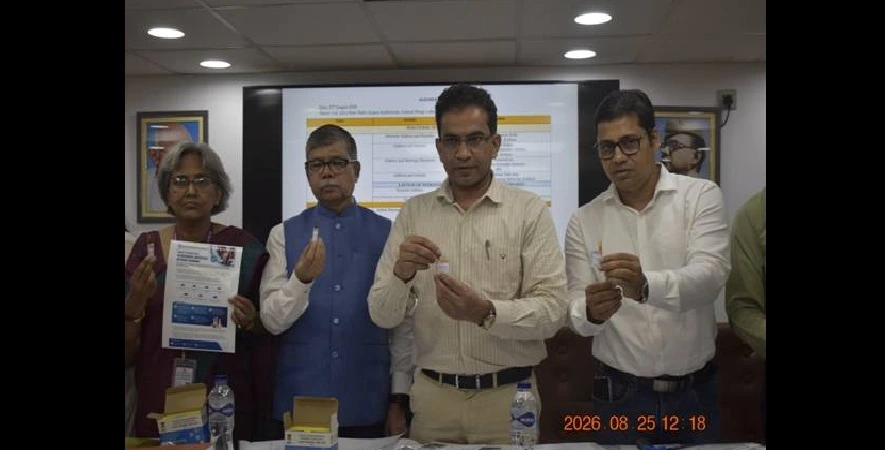
The Indian Pharmacopoeia Commission (IPC) on Tuesday launched seven nitrosamine impurities reference standards, marking the first-ever introduction of these critical reference standards by the commission.
The standards were launched during an interactive meeting organised by IPC at the Central Drugs Laboratory (CDL) and Central Cosmetics Laboratory (CCL) in Kolkata.
The seven standards are N-Nitrosodimethylamine (NDMA), N-Nitrosodiethylamine (NDEA), N-Nitrosoethylisopropylamine (NEIPA), N-Nitrosodibutylamine (NDBA), N-Nitrosomethylphenylamine (NMPA), N-Nitrosodiisopropylamine (NDIPA) and N-Nitroso-N-methyl-4-aminobutyric acid (NMBA).
Nitrosamines are highly potent genotoxic and carcinogenic compounds that may arise unintentionally during manufacturing, storage, packaging or through contamination from various materials used in pharmaceutical production. Controlling these impurities is particularly important in certain drug formulations used for hypertension, gastric disorder, diabetes and tuberculosis.
The launch of these standards is expected to strengthen India’s capabilities for the accurate detection and quantification of nitrosamine impurities in pharmaceutical products.
IPC said the initiative will support pharmaceutical testing, method validation, quality assurance and regulatory compliance, while promoting harmonisation with international quality standards and self-reliance in critical reference materials.
Dr. V. Kalaiselvan, Secretary-cum-Scientific Director, IPC, in his inaugural address, highlighted the importance of collaboration with CDL laboratories in ensuring the quality of medicines.
The meeting, organised in Kolkata for the first time, brought together experts and stakeholders to discuss the way forward for pharmacopoeial standards and drug quality in the country.
The meeting focused on “IP 2026: Perspectives, Suggestions & Way Forward” and the significance of Indian Pharmacopoeia Reference Standards and Impurity Standards in assuring the quality, safety and efficacy of pharmaceuticals.