






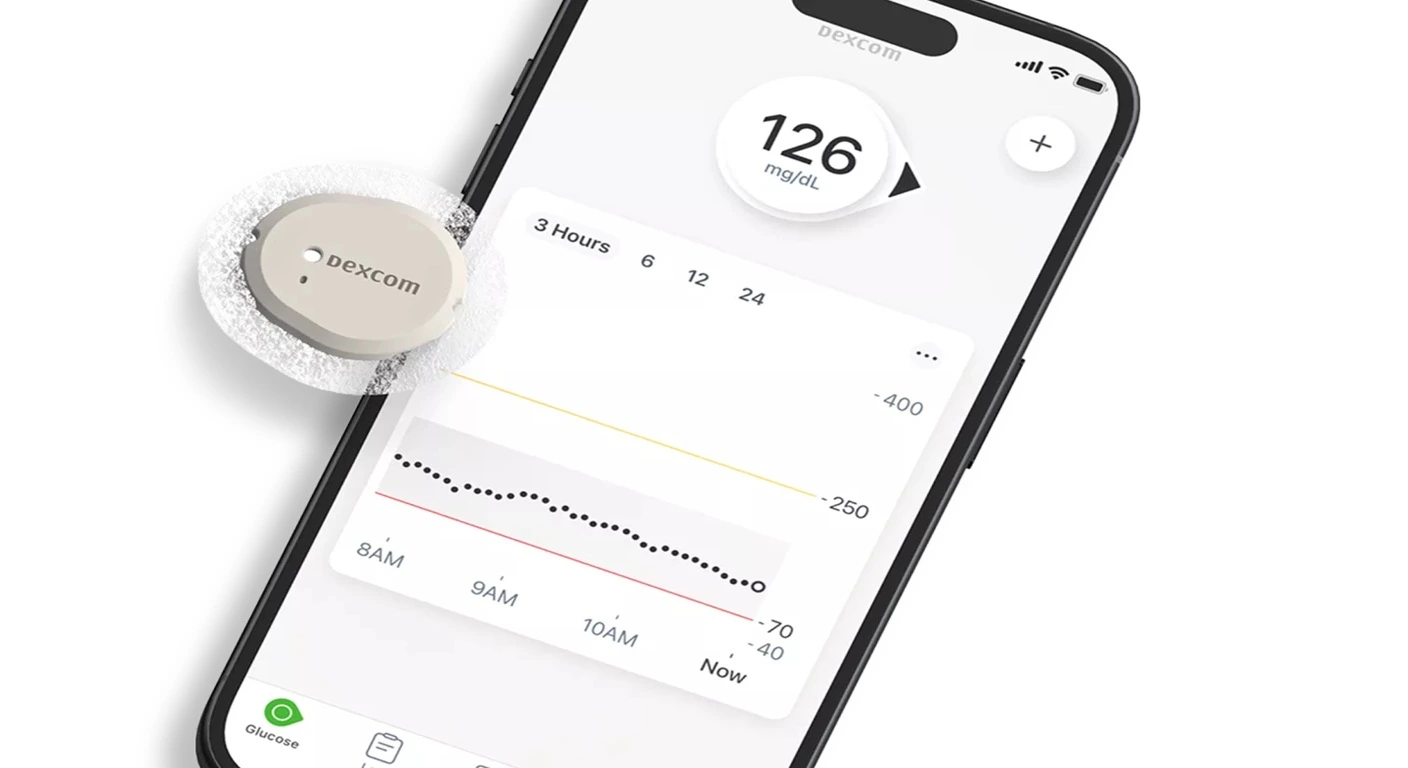
Medical device company Dexcom has announced positive results from a new study showing that its G7 continuous glucose monitor (CGM) significantly improved blood sugar control in people with type 2 diabetes who are not using insulin.
The findings from the CONNECT randomized controlled trial were presented at the 2026 Scientific Sessions of the American Diabetes Association (ADA) in New Orleans.
According to Dexcom, the study demonstrated clinically and statistically significant reductions in A1C levels and improved glucose management among participants using the Dexcom G7 compared with the routine care control group using self-monitoring of blood glucose.
While existing ADA Standards of Care strongly support CGM use for people with diabetes using insulin, additional evidence has been needed to assess the benefits for patients managing type 2 diabetes without insulin.
The company believes the findings could help establish CGM as a standard of care for non-insulin type 2 diabetes patients.
“We anticipate these results will help establish a new standard of care in the US and around the world. This is the third Dexcom sponsored randomized controlled trial that has, or will drive, Dexcom CGM to be the standard of care in people with Type 2 diabetes,” said Jake Leach, president and CEO of Dexcom.
Dexcom CONNECT study
The CONNECT study was conducted across 22 primary care practices in the United States and enrolled 283 adults with type 2 diabetes not using insulin. Participants were randomly assigned either to use the Dexcom G7 CGM system or continue routine care with standard blood glucose meter testing over a 26-week period.
The trial showed that CGM use significantly reduced hyperglycemia and led to a 0.9 per cent greater reduction in A1C after six months compared with the routine care group.
Participants using Dexcom G7 achieved an average A1C reduction of 1.6 per cent at 26 weeks. Around 68 per cent of participants reached A1C levels below 7.5 per cent, while 46 per cent achieved levels below 7.0 per cent.
Researchers said the benefits were observed across all patient groups regardless of age, gender, ethnicity, income, education level, insurance status, body mass index or starting A1C levels. The study also found additional A1C reductions when Dexcom G7 was used alongside commonly prescribed diabetes medications including metformin, GLP-1 therapies and SGLT2 inhibitors.
Participants using Dexcom G7 also reported greater satisfaction with diabetes management compared with those using standard blood glucose testing. They experienced lower diabetes-related distress and reduced disease burden.
Roy Beck, medical director of the JAEB Center for Health Research and senior author of the study, described the CONNECT study as “the first and only level A evidence demonstrating strong benefit of CGM for the Type 2 non-insulin using population.”
“Level A evidence, the highest level of evidence graded by the ADA, has historically driven meaningful changes in standards of care,” he said.
Thomas W. Martens, co-author of the study, said continuous glucose monitoring could help close an important care gap, especially as many patients with type 2 diabetes who use oral or non-insulin injectable therapies are treated in primary care settings.
“As the first major randomized controlled trial evaluating CGM in individuals with type 2 diabetes not using insulin, these findings can help reshape diabetes management and expand treatment options for patients, improve glucose levels and A1C management for clinicians, and ultimately reduce diabetes-related complications,” he added.
Dexcom is also continuing a six-month extension phase of the CONNECT trial to evaluate the long-term sustainability of the benefits of Dexcom G7 over a 12-month period.
The CONNECT study follows earlier landmark trials such as JDRF, DIAMOND and MOBILE, which helped establish CGM as standard care for people with type 1 diabetes and insulin-treated type 2 diabetes.