




China’s National Medical Products Administration (NMPA) has approved Satri-cel (CT041, Kaileimei), marking what is believed to be the world’s first CAR-T cell therapy authorised for the treatment of a solid tumour.
The therapy is indicated for patients with Claudin18.2-positive, HER2-negative advanced gastric or gastroesophageal junction adenocarcinoma whose disease has progressed after at least two prior lines of treatment.
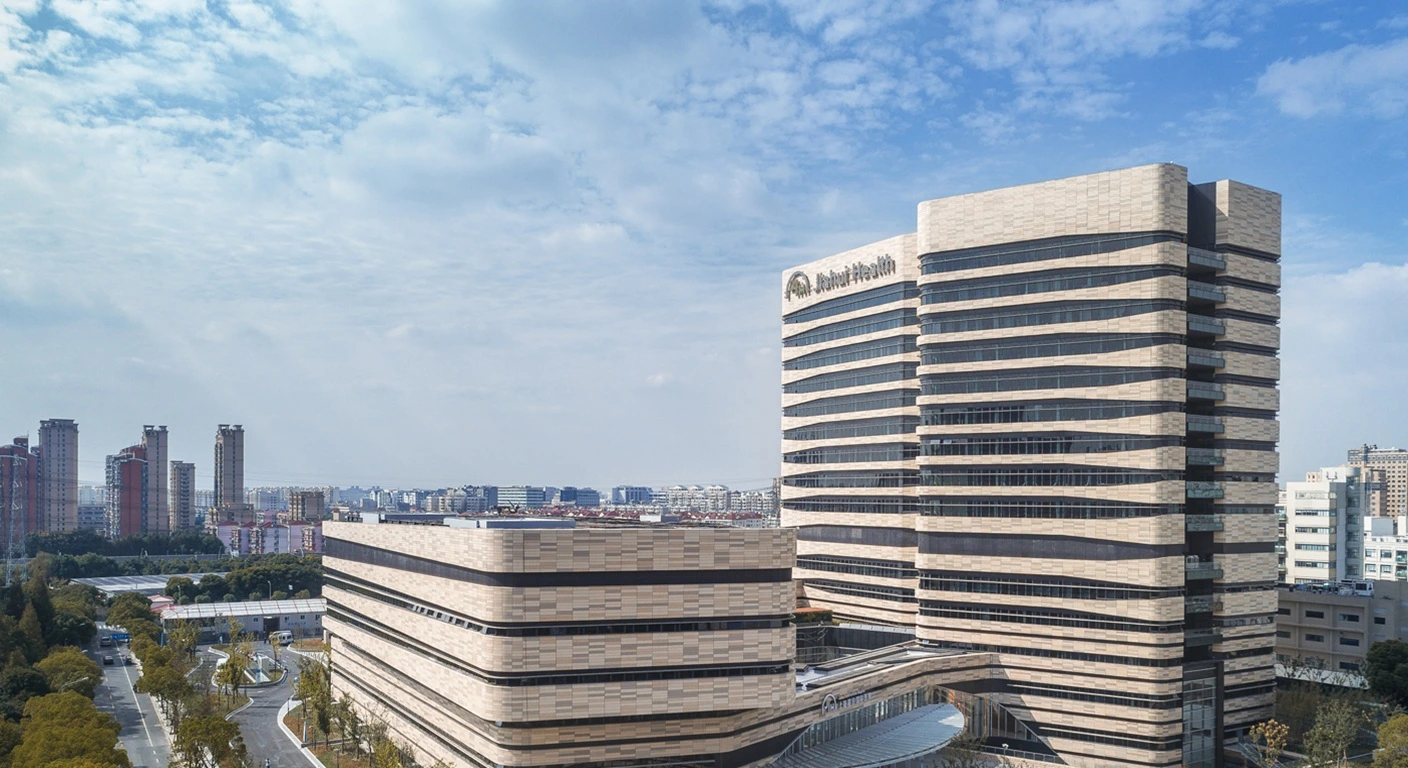
The approval has been welcomed by Jiahui International Cancer Center (JICC), which described the decision as a significant milestone in cancer care. The center plans to provide access to the treatment for eligible patients through its multidisciplinary oncology programme and international patient services.
“Satri-cel’s approval is a landmark achievement for both patients and the global oncology community,” said Dr. Linli Xuan, chief of medical oncology at JICC.
“For years, the successful application of CAR-T therapy in solid tumours has been one of cancer medicine’s most important challenges. This breakthrough not only offers new hope for patients with advanced gastric cancer, but also highlights China’s growing role in developing transformative cancer treatments,” Xuan added.
CAR-T therapy is a personalized treatment approach that modifies a patient’s own immune cells to identify and attack cancer cells more effectively. Unlike conventional treatments, CAR-T cells can expand inside the body and continue to fight cancer over time.
Although CAR-T therapies have already transformed treatment outcomes in blood cancers, extending this approach to solid tumours has been considerably more difficult because of tumour complexity and treatment resistance.
Satri-cel is the first CAR-T therapy specifically developed to target solid tumours expressing Claudin18.2, a biomarker commonly found in gastric (stomach) and pancreatic cancers.
Clinical studies conducted in China reported promising outcomes in patients with advanced gastric and gastroesophageal cancers. In the pivotal study supporting approval, 41 per cent of patients receiving Satri-cel experienced measurable tumour shrinkage, compared with 4 per cent among those receiving standard treatment. The therapy also improved median overall survival by nearly six months in this heavily pre-treated patient population and demonstrated a manageable safety profile.
Further studies are underway to evaluate the therapy’s potential in earlier treatment settings and additional tumour types.