






Kowa’s K-911 Advances to FDA Review for Glaucoma
Following confirmation of the PDUFA target action date of April 30, 2027, Kowa anticipates a US commercial launch of the K-911 glaucoma eye drop in the second half of 2027, subject to FDA approval.
As India’s prosthetics and orthotics market grows, industry stakeholders believe the next phase will depend not only on technological development but also on creating a sustainable ecosystem around those technologies.
Incuvate alleges that Penumbra’s THUNDERBOLT system infringes five of its patents covering blood-clot detection technology.
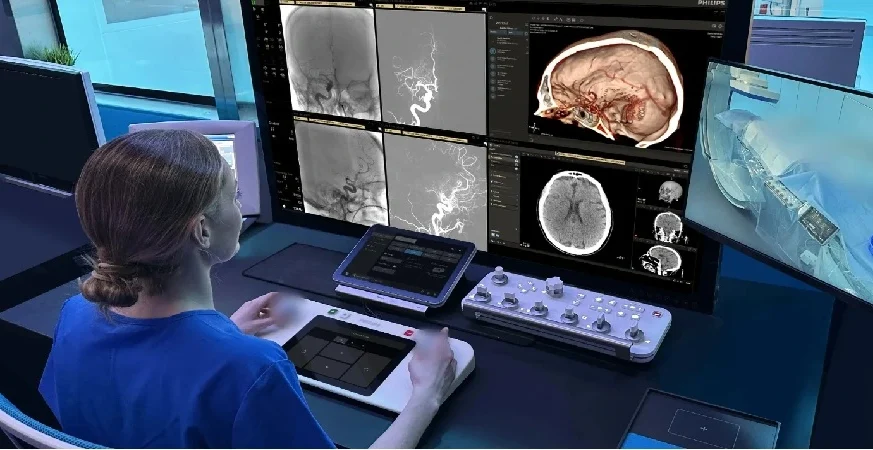
Philips will collaborate with Johns Hopkins University and Boston University to develop technologies for remote and increasingly automated endovascular procedures.
If approved, Jemperli could eliminate the need for chemotherapy, radiation, and surgery for some patients with dMMR/MSI-H locally advanced rectal cancer, said GSK.
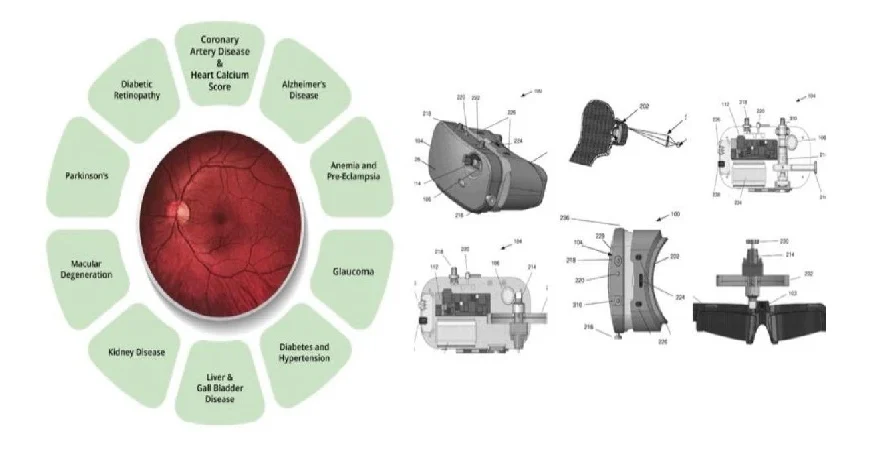
Remidio consolidates multiple eye examinations into a single wearable device, including slit lamp and fundus imaging, while enabling imaging without pupil dilation.
According to MATELASER, the robotic laser therapy system is designed to reduce clinician fatigue, improve workflow efficiency and support more consistent energy delivery, particularly across large or anatomically complex treatment areas.
Both Ziihera-containing combinations significantly improved progression-free survival in the overall HER2+ gastroesophageal adenocarcinoma patients, reducing the risk of disease progression or death by 35 per cent and extending median PFS to 12.4 months versus 8.1 months with trastuzumab plus chemotherapy.
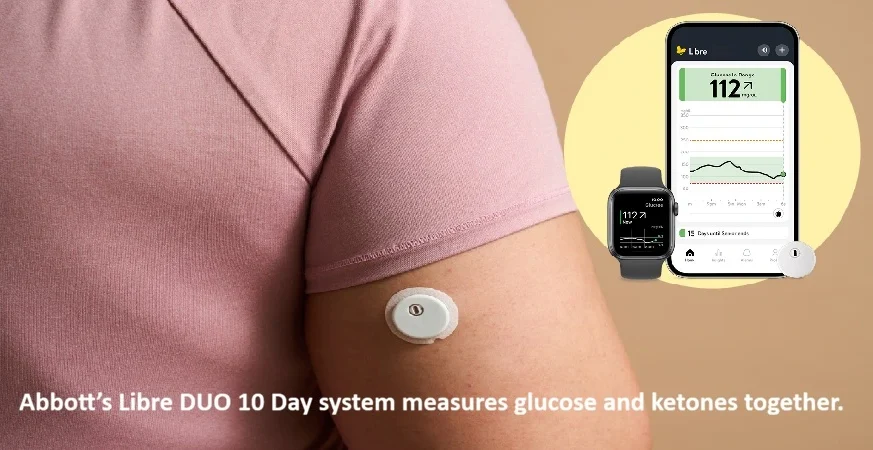
Abbott’s Libre Duo 10 Day provides real-time glucose readings for daily diabetes management while continuously monitoring ketone levels in the background.
The smartphone-enabled platform, called ADxFluor, uses a fluorescence-responsive tiny molecule probe for the detection of Alzheimer’s disease (AD) biomarker amyloid-β (Aβ) in biological samples.