



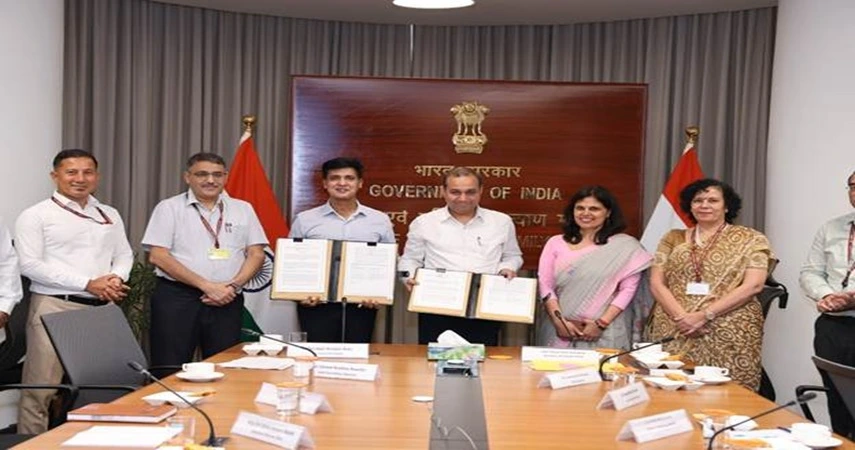
The Sports Injury Centre (SIC) at Safdarjung Hospital has signed a memorandum of understanding (MoU) with the Sports Authority of India (SAI) to strengthen sports medicine services and improve healthcare support for Indian athletes.
The agreement was signed in the presence of Union Health Secretary Punya Salila Srivastava and Hari Ranjan Rao, secretary, Department of Sports, Ministry of Youth Affairs and Sports.
The partnership brings together the Sports Injury Centre’s clinical expertise and SAI’s nationwide athlete support network to create a comprehensive and coordinated model of athlete healthcare. It aims to improve sports injury prevention, diagnosis, treatment, rehabilitation, and sports science support, helping athletes perform at their best while reducing the risk of injuries.
Beyond clinical care, the collaboration will also focus on sports science, medical education, capacity building, training, and research. Both institutions plan to undertake joint research projects to develop innovative treatment protocols, advance injury prevention strategies, promote evidence-based sports medicine practices, and support scientific innovation that enhances athlete health and performance.
Srivastava described the MoU as “the beginning of a long-term partnership between the health and sports sectors.”
Observing that athletes are spread across the country, she said the Ministry would explore expanding the network of sports medicine facilities and strengthening postgraduate education in sports medicine to build a larger pool of trained specialists.
Besides orthopaedic injuries, she ensured support for other specialised health requirements for athletes by engaging specialised institutions such as the National Institute of Mental Health and Neurosciences (NIMHANS).
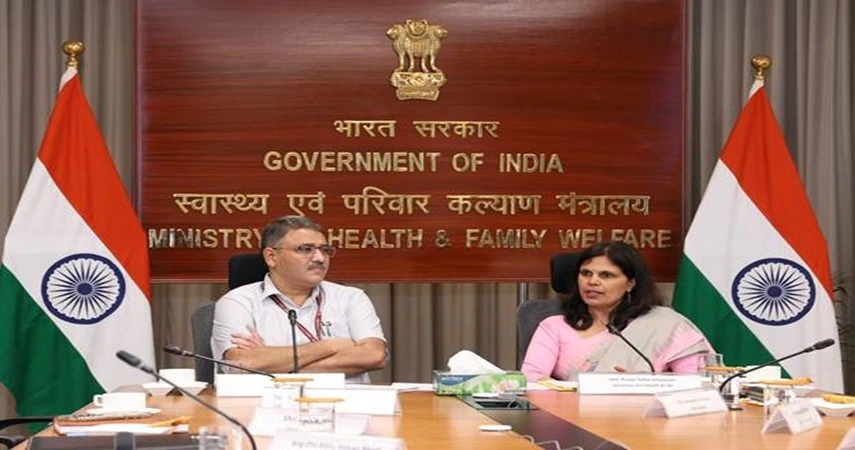
Srivastava further said the Ministry would encourage newer AIIMS institutions to establish sports medicine facilities and prioritise athlete healthcare services. She also called for identifying key research areas that could improve athlete performance, particularly in domains where specialised sports medicine services remain limited.
He underscored the importance of generating India-specific scientific evidence and developing indigenous protocols to support athlete performance, injury prevention and rehabilitation.
Rao emphasised the need to strengthen indigenous research in sports medicine and sports science to better support Indian athletes. He noted that many existing sports medicine protocols, assessment tools and scientific benchmarks are based on American and Western data, which may not always be suitable for Indian athletes due to differences in body composition and physiology.
Emphasising the need for greater institutional collaboration, Rao suggested linking SAI’s Centres of Excellence with nearby medical colleges to facilitate specialised medical support, research and training, while also providing opportunities for orthopaedic and other medical specialists to work closely with athletes.
He described the partnership as “a significant step towards strengthening research, capacity building and evidence-based sports medicine for the long-term benefit of Indian athletes.”
Many senior officials from both ministries also attended the signing ceremony.