


The World Health Organization (WHO) has urged governments and health stakeholders worldwide to step up efforts against cancer, warning that the number of new cases could climb to nearly 35 million annually by 2050 if urgent action is not taken.
According to the WHO Global Status Report on Cancer 2026, developed jointly with the International Agency for Research on Cancer (IARC), cancer claims more than 26,000 lives every day. With an estimated 20.6 million new cases and close to 10 million deaths annually, cancer remains the second leading cause of death globally, after cardiovascular disease.
WHO said reversing this trend will require a shift towards a people-centred approach that responds to the health needs and lived experiences of affected people and communities.
“Without urgent action, annual cancer cases are projected to rise to nearly 35 million by 2050,” the organization warned.
The report evaluates progress in areas including political commitment, cancer prevention through tobacco control and vaccination programmes, and investments in treatment. While some countries have made significant advances, the report highlights persistent and widening inequalities in access to cancer prevention, diagnosis, treatment and supportive care.
For example, 87% of women diagnosed with breast cancer survive for at least five years in high-income countries, compared with only about 42% in low-income countries. In addition, fewer than one-third of countries currently include cancer care in their universal health coverage packages.
“Cancer is a deeply personal disease that touches nearly all of us. But whether a person survives cancer should never depend on where they were born or what they earn,” said WHO Director-General Dr Tedros Adhanom Ghebreyesus.
“The inequities documented in this report are not inevitable; they are the consequence of choices, and they can be reversed through stronger and unified action,” he added.
Asia bears the largest cancer burden
The report shows that Asia carried the world’s largest cancer burden in 2024, accounting for more than half of all cancer cases (50.7%) and deaths (56.5%), largely due to its populationsize.
Europe, despite representing only around 9% of the global population, accounted for 21% of cancer cases and 20% of cancer-related deaths, indicating a disproportionately high disease burden. Meanwhile, many countries in Africa and parts of Asia reported comparatively lower cancer incidence but significantly higher mortality rates.
Lung cancer tops global cancer deaths
Globally, lung cancer remains the leading cause of cancer-related deaths. Among men, lung, prostate and colorectal cancers are the most common, while breast, lung and colorectal cancers account for a substantial proportion of cases among women.
Prevention key to reducing cancer burden
The report also estimates that nearly 40% of cancer cases are linked to preventable risk factors, including tobacco use, alcohol consumption, high body mass index, physical inactivity and infections such as human papillomavirus (HPV), hepatitis B and C, and Helicobacter pylori.
Dr Elisabete Weiderpass, Director of WHO’s International Agency for Research on Cancer (IARC), said while there have been reductions in some cancer rates in countries that have implemented prevention policies, progress has been too slow.
“The cancer profile is evolving, increasingly driven by rising rates of obesity, physical inactivity, unhealthy diets, and air pollution. Cancer prevention must remain a political priority,” she said.
WHO outlines people-centred cancer control agenda
The report calls for placing people affected by cancer at the centre of cancer control efforts. It urges governments, international organisations, civil society, academic institutions, the private sector and WHO to work together to deliver a people-centred and holistic approach to care for individuals and families affected by cancer.
It outlines three strategic shifts to be implemented across all countries and communities:
- Better capabilities: Integrate cancer control into universal health coverage and invest in human capital to prevent and control cancer.
- Better protections: Place people with lived experience at the centre of cancer systems while strengthening social protection.
- Better value: Align research and innovation with public health needs and ensure equitable access to valued-based advances in care.
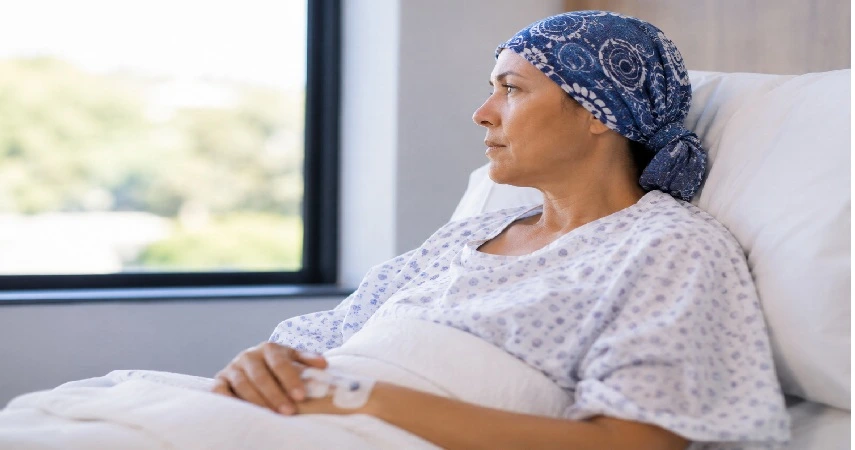
“Cancer is not just a medical diagnosis – it profoundly, indefinitely affects every aspect of a person’s life, and their family’s as well,” said Clarissa Schilstra, a childhood cancer survivor and a lead of WHO’s survey, while urging policymakers to engage with people affected by cancer meaningfully.
“By voicing our lived experiences, we can inform more equitable, effective solutions to protect and promote the lives and wellbeing of future generations,” she added.
WHO emphasized that the choices made and actions taken today will shape the cancer burden borne by future generations.