





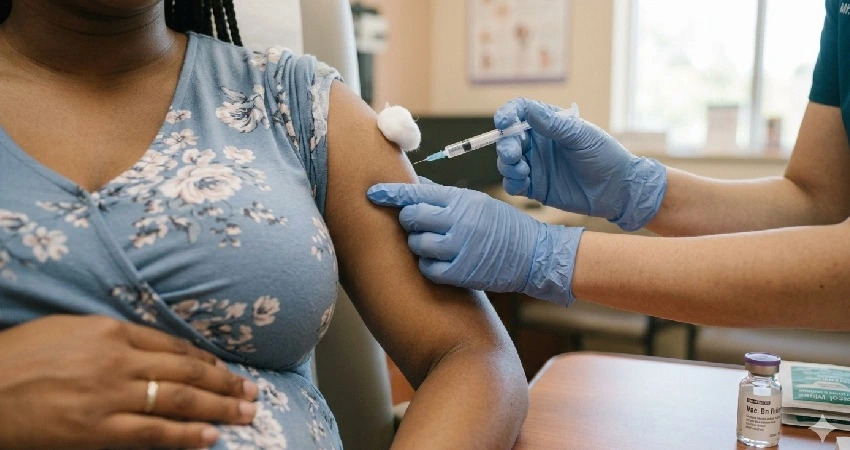
Maternal RSV vaccination is expected to become more affordable and easier to deliver after the World Health Organization (WHO) prequalified a multi-dose vial presentation of the maternal respiratory syncytial virus (RSV) vaccine, RSVpreF (ABRYSVO).
The new presentation is seen as a major step towards protecting more infants from severe respiratory illness and pneumonia globally, particularly in countries supported by Gavi, the Vaccine Alliance.
Developed with support from the Gates Foundation, the lower-cost multi-dose vial presentation is expected to improve countries’ ability to plan and implement large-scale introductions of the vaccine into national immunisation programmes.
The decision builds on WHO’s prequalification of the vaccine’s single-dose presentation in March 2025 and Gavi’s subsequent decision in July 2025 to establish a maternal RSV vaccine programme. The programme aims to protect newborns and young infants from RSV, one of the leading causes of respiratory illness and hospitalisation worldwide.
Each year, RSV is estimated to cause more than 3.6 million hospitalisations and approximately 100,000 deaths among children under five years of age. Almost half of these deaths occur among infants younger than six months, the population targeted for protection through maternal immunisation.
Around 97 per cent of RSV deaths occur in low- and middle-income countries, where access to supportive medical care is limited. In many cases, children die at home before reaching a health facility.
The maternal RSV vaccine is designed to protect infants during their first six months of life through the transfer of antibodies from the mother to the baby before birth.
To reduce the global burden of severe RSV disease, WHO recommends that countries introduce either the maternal RSV vaccine, RSVpreF, or the monoclonal antibody nirsevimab into their national immunisation programmes.
The organisation recommends that the maternal vaccine RSVpreF be administered to pregnant women during the third trimester, from 28 weeks of pregnancy onwards, to optimise the transfer of antibodies to the baby.