



By: Ashish Jha, Co-Founder and Director, Photonence
Walk into an aesthetic clinic in almost any Indian city today, and the treatment list reads much the same: laser hair reduction, skin tightening, pigmentation, acne scars, body contouring. A clinic in Ludhiana lists what one in South Delhi does. Five years ago that would have been unthinkable.
Aesthetics is no longer a metro luxury. Dermatologists and plastic surgeons are setting up in Tier 2 and Tier 3 cities, and patients there are better informed, more curious and less willing to travel for a result they can get closer to home. However, when everyone offers the same procedures, the list stops being the differentiator. The next competitive edge lies elsewhere.
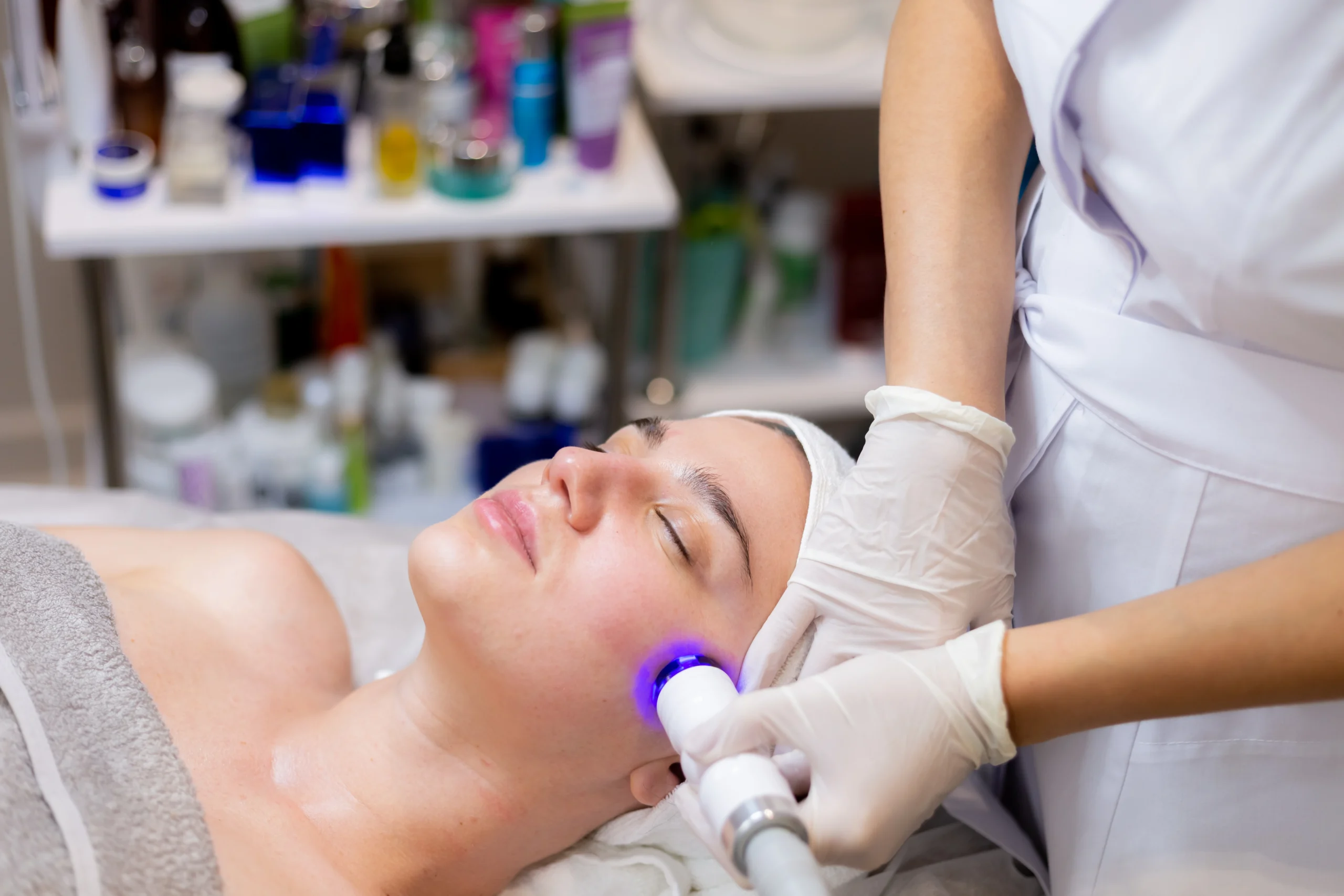
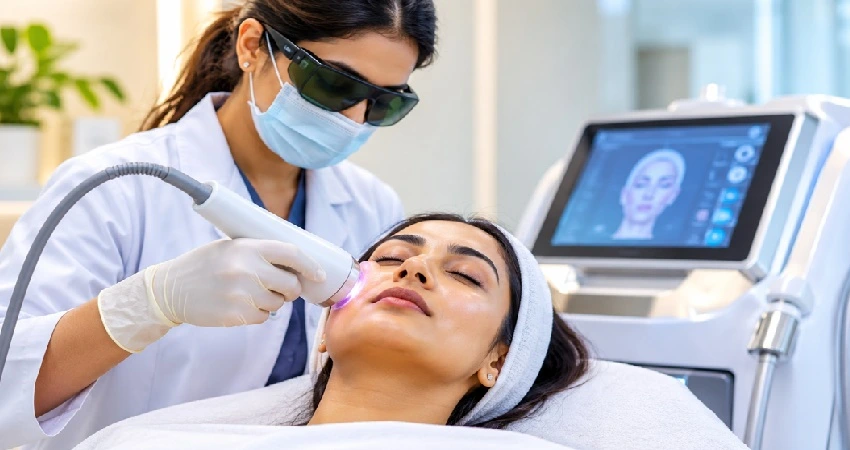
Demand is shifting towards treatments that deliver visible change without long recovery. Korean-style skin tightening has led the way. Focused ultrasound (HIFU) and monopolar radiofrequency have become popular for lifting and firming the face and jawline, because they work on deeper tissue and stimulate collagen without surgery. Patients now walk in asking for these by name.
Alongside them, microneedling has matured. It is no longer just about creating micro-channels in the skin; systems that pair it with simultaneous serum infusion are gaining ground for texture, scars and glow. Non-invasive plasma is finding its place for tone, lesions and tissue tightening. In body contouring, clinics are moving toward combinations of thermal and muscle-stimulation technology rather than single-purpose machines. And in the workhorse categories, such as laser hair reduction and IPL, faster, higher-pulse systems are replacing older ones.
The trend is clear. Patients want results that look natural, with minimal downtime. All of these treatments promise that. Not all clinics can keep the promise.
Take “skin tightening”. Two clinics can advertise it, and the experience can be completely different. One may be using a well-engineered system with controlled energy delivery. The other may be running an ageing machine that has drifted from its calibration. The patient sees the same word on the board. The outcome is not the same.
That gap is widening. A procedure is only as good as the device behind it, and a dermatologist’s skill can only go so far on unreliable equipment. Precision, consistency from session to session, and safe energy delivery decide whether a patient comes back, and whether they send their friends.
A device that behaves unpredictably makes a dermatologist cautious, and inconsistent output makes results harder to repeat. Clinics build their reputation on repeatability. A patient who gets a great result in March expects the same in September.
So the questions worth asking before buying any device are unglamorous ones. How long will it last? What are its pulse life and power stability? What regulatory clearances does it carry, and for which indications? Who picks up the phone when something goes wrong, and how fast?
As clinics spread beyond the big cities, these questions matter even more. A dermatologist in a smaller town often does not have a second clinic nearby to borrow a machine from, or a service engineer a short drive away. Training and after-sales support are not extras there. They decide whether the investment pays off.
There is a second pressure too. Patients now research before they book. They read reviews, compare before-and-after photos and ask pointed questions about what technology will be used on them. The informed patient is quietly pushing the market toward better equipment.
A booming market invites shortcuts: unverified devices, thin training, aggressive promises. Aesthetic medicine is still medicine. Patients trust clinics with their faces and bodies, and one poor outcome can damage trust in an entire category. The industry needs to rely on proven science, certified equipment, and an honest talk with patients about what to expect.
India’s aesthetics market will keep growing, and more clinics will open. The ones that last will not be those with the longest list of procedures. They will be those that can say, with confidence, why their technology is right for the patient in front of them, and deliver the same result every time.
The next phase of this industry is not about doing more. It is about doing it better.
Ashish Jha, Co-Founder and Director, Photonence