






By Deepika Lalwani, Clinical Nutritionist and Wellness Coach at Redcliffe Labs
We’ve all heard this often: “Achhi sehat ki shuruaat achhe khane se hoti hai.” But somewhere along the way, the conversation around eating well has become more specific. Today, many are asking, “Isme kitna protein hai?” From breakfast to lunch to dinner, protein has found its way into almost every part of the wellness conversation.
And the trend is measurable. A 2026 survey of 2,000 Indian consumers found that nearly one in two include protein in every meal, while 41% actively track or estimate their protein intake. Yet, 93% of those who track their protein intake say they remain uncertain about protein-related information, highlighting a gap between awareness and understanding.
But somewhere between tracking those grams and trying to hit the next protein goal, we need to consider what else is on the plate. Protein is essential to a healthy diet, but a high-protein diet can look very different depending on where that protein comes from, what it replaces, and how well the overall meal is balanced.
How Much Protein Do You Actually Need?
The growing focus on protein is not a bad thing. In fact, for many Indians, paying attention to protein can help address an important nutritional gap. The blind spot is when protein becomes the only number we track. What matters is where that protein comes from, what accompanies it, and what it replaces in the diet.
This becomes important because many Indians may already be falling short of their protein needs. Current Indian guidance sets the recommended dietary allowance for generally healthy adults at around 0.83 grams per kilogram of body weight per day, although individual needs vary.
The 0.83 grams per kilogram figure is a reference for generally healthy adults, not a universal high-protein target. Protein requirements can vary depending on age, activity levels, pregnancy, illness, recovery, lifestyle and individual health conditions.
So, the goal should not simply be to maximize protein intake, but to understand what is appropriate for you.
Don’t view a food’s protein content in isolation from its saturated fat, sodium, fiber, and overall nutrient profile.
The Source of Protein Matters
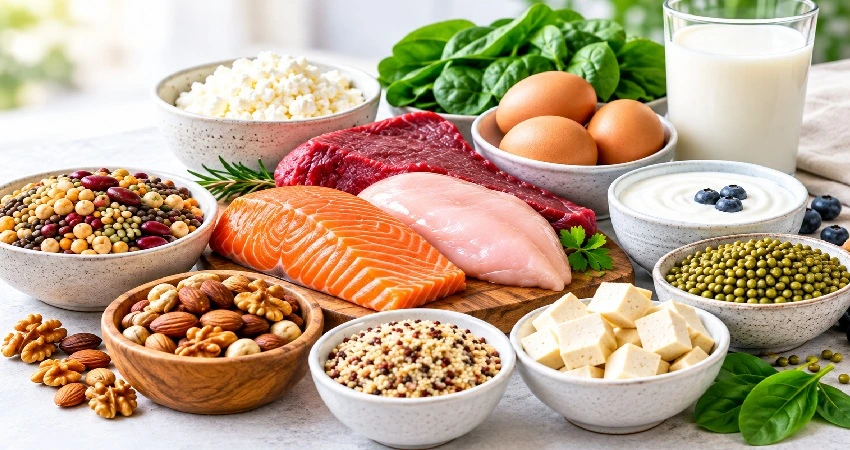
Consider two people trying to eat more protein. One adds dal, curd, eggs, fish, nuts, and legumes to meals that still include vegetables, whole grains, and healthy fats. The other increases portions of processed meat, chooses heavily fortified packaged foods, and adds multiple protein supplements, while gradually pushing vegetables, fiber, and other foods to the side.
Both may call their diets high-protein. Their overall nutritional profiles, however, can differ significantly.
The same protein number can therefore sit within very different dietary patterns. Don’t view a food’s protein content in isolation from its saturated fat, sodium, fiber, and overall nutrient profile.
This is where heart health comes in. A high-protein diet does not automatically mean a healthy diet. The concern is not protein itself, but the overall dietary pattern, the protein source, the foods that accompany it, and what those foods displace.
For vegetarians, paneer can be an easy go-to for increasing protein intake. Still, it can also add a significant amount of saturated fat, depending on the type and portion consumed. Eating paneer in moderation and varying protein sources with dals, legumes, curd, nuts, and seeds can help keep the overall diet more balanced.
For someone trying to increase protein, variety is important. Paneer, for example, can be part of a balanced diet, but it should not become the default protein source at every meal. Rotating between dals, legumes, curd, nuts, seeds, and other appropriate protein sources can help create a more balanced nutritional profile.
Don’t Let Protein Crowd Out Fibre
What matters more is your overall eating pattern. Regularly choosing protein sources high in saturated fat or sodium, relying heavily on processed foods, or letting protein-rich foods crowd out fiber-rich vegetables, fruits, and whole grains can change the quality of your diet. This is particularly relevant with the growing popularity of packaged “high-protein” foods, where a protein claim can sometimes draw attention away from the rest of the nutrition label.
Before choosing a food simply because it says ‘high protein’, look beyond the front-of-pack claim. Check the protein source, serving size, saturated fat, sodium and fiber as well. A higher protein number does not automatically make a food a healthier choice.
Fiber deserves particular attention here. When protein-heavy meals replace vegetables, fruits, whole grains, and legumes, you can increase protein intake while unintentionally reducing dietary fiber and overall dietary diversity. For heart health, aim to add protein to a balanced plate, not build the entire plate around protein.
Portions matter too. Once protein becomes a focus, it can be tempting to assume more is better. But nutritional needs are individual. Age, activity levels, pregnancy, illness, recovery, metabolic health, and existing medical conditions can all change what is appropriate. Family history matters as well.
More is not always better when it comes to nutrition. Someone with existing cardiac or metabolic risk, a strong family history of heart disease, kidney disease, or another medical condition should not simply adopt a generic protein target from social media. Their nutritional needs should be assessed in the context of their individual health.
This is especially relevant as high-protein and keto-adjacent eating become increasingly visible in urban India. Fitness culture has made protein more accessible and more aspirational, while packaged foods increasingly carry protein claims. The convenience is useful, but the label can sometimes make one nutrient appear more important than the rest of the nutritional package.
Ask three simple questions before you focus on the protein number: Where is my protein coming from? What comes with it? And what is it replacing?
Look Beyond Nutrition Trends This World Heart Day
With World Heart Day on September 29, this is a useful moment to look beyond what is easy to count. The World Heart Federation’s 2026 “Don’t Miss a Beat” campaign highlights how cardiovascular disease can hide in plain sight, with symptoms and risk factors often going unnoticed. The Federation notes that 80% of cardiovascular disease (CVD) deaths are caused by risk factors that can be prevented or managed.
At Redcliffe Labs, this thought finds resonance in its World Heart Day campaign, “Missing the Mishaps”, a reminder that some of the most important health risks are the ones we miss, dismiss the symptoms, or discover too late.
The idea of ‘Missing the Mishaps’ is especially relevant when we think about the way people approach health today. We may be carefully counting protein grams, calories, or steps, but still miss the larger picture of our health. Heart health is not determined by one nutrient or one lifestyle choice. It is shaped by a combination of diet, physical activity, metabolic health, family history, and other individual risk factors.
The World Heart Federation identifies a healthy diet, physical activity, and “knowing your numbers” as key elements of cardiovascular disease prevention, with blood pressure, cholesterol, blood sugar, and other Cardiac Risk Markers like hsCRP, Lipoprotein (a), and Lp(b) among the health measures people should track.
Nutrition is one part of prevention, but it is not the whole picture. For people with risk factors or a family history of cardiovascular disease, understanding markers such as blood pressure, blood glucose and cholesterol can help put lifestyle choices into context. Knowing your numbers gives you a more personalised understanding of your health than following a generic nutrition trend.
So, What Should a Balanced High-Protein Plate Look Like?
It does not need to be complicated. Dal with vegetables and roti, curd with fruit and nuts, eggs with whole grains and vegetables, or fish with vegetables and a roti or rice can all provide protein without losing sight of the rest of the meal. Variety matters, and protein supplements should fill a real nutritional gap rather than become an automatic addition to every meal.
I encourage people to ask three simple questions before they focus on the protein number: Where is my protein coming from? What comes with it? And what is it replacing? Those three questions can tell us much more about the quality of a meal than the protein number alone.
Protein deserves attention, especially when many people may not be getting enough. But the goal should not be to make protein the hero of every meal. The healthier shift is simpler. Stop asking only how much protein is on the plate and start asking what comes with it, what it is replacing, and whether the whole meal makes sense for the person eating it.
Because the heart does not see nutrition as a single number, neither should we. And sometimes, what we miss matters just as much as what we measure.
Deepika Lalwani, Clinical Nutritionist and Wellness Coach at Redcliffe Labs