





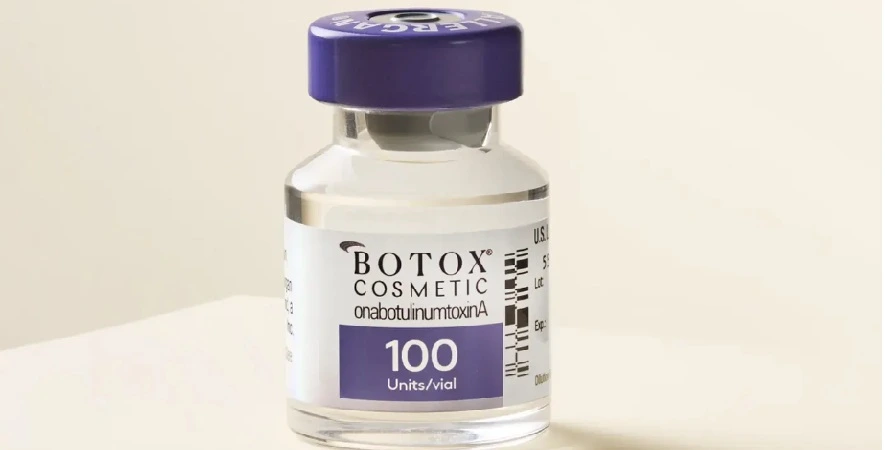
Allergan Aesthetics, an AbbVie company, has announced that the US Food and Drug Administration (FDA) has accepted for review its supplemental Biologics License Application (sBLA) for BOTOX Cosmetic (onabotulinumtoxinA) for the temporary improvement in the appearance of marked to very marked masseter muscle prominence (MMP) associated with masseter muscle activity in adults.
Masseter muscle prominence can create the appearance of a wider or more square lower face.
If approved, BOTOX Cosmetic would become the first and only neurotoxin in the US specifically indicated for this condition, expanding its portfolio to five aesthetic indications.
Darin Messina, senior vice president, head of aesthetics research and development, AbbVie, said, “This submission builds on the depth and versatility of BOTOXCosmetic and reflects our continued investment in advancing aesthetic medicine.”
“At Allergan Aesthetics, our approach to innovation includes both developing new treatment options and continuing to expand the potential of established products. The pursuit of a fifth aesthetic indication demonstrates that commitment to addressing evolving patient needs,” he added.
According to the company, the proposed indication addresses growing patient interest in non-surgical facial contouring by providing a clinically validated treatment option to improve jawline definition and shape.
“Patients are increasingly seeking overall facial assessments with non-surgical options to address aesthetic needs for the lower face,” said Steve Yoelin, a coordinating clinical investigator with over 25 years of experience in minimally invasive medical aesthetics.
“As facial assessment continues to evolve beyond individual treatment areas, this indication would further broaden the clinical utility of BOTOX Cosmetic, if approved, by providing an important new treatment option,” he added.
The sBLA submission is supported by two Phase 3 clinical studies that demonstrated statistically significant improvements in the severity of masseter muscle prominence compared with placebo. The studies also showed a safety profile consistent with the product’s established uses, with no new safety concerns identified.
In addition, patient-reported outcomes showed that twice as many participants treated with BOTOX Cosmetic described themselves as “Satisfied” or “Very Satisfied” with their results compared with those who received placebo.
BOTOX Cosmetic is currently approved in adults for the temporary improvement in the appearance of moderate to severe glabellar lines (frown lines or number 11 lines), lateral canthal lines (crow’s feet), forehead lines, and platysma bands (neck lines or turkey neck).