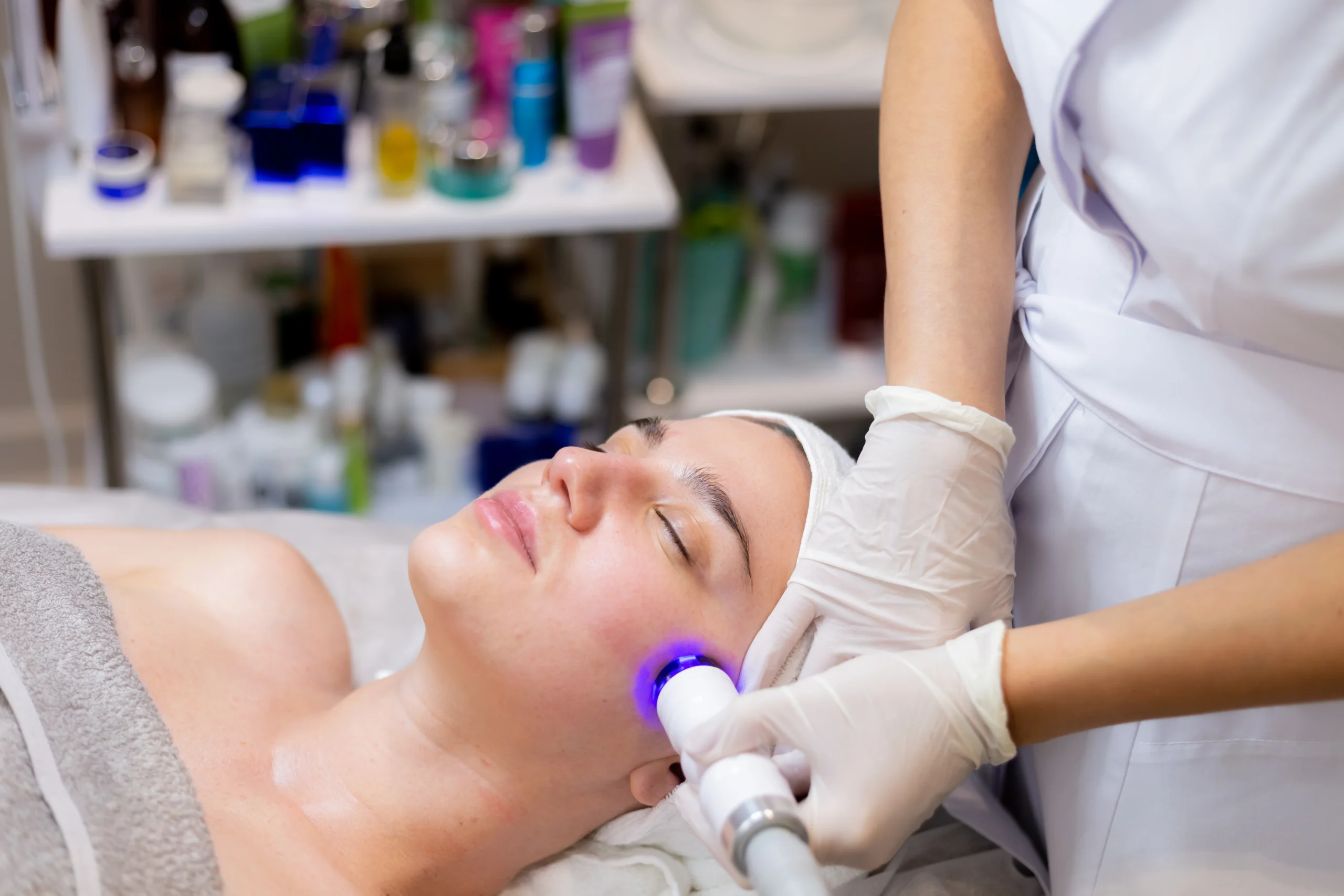







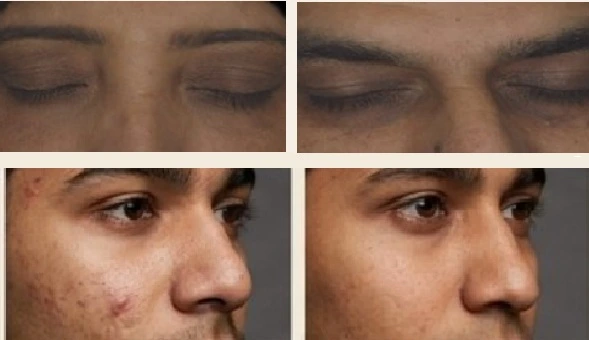
If you’re struggling with dark circles, you’re far from alone. Dark circles have emerged as India’s most common skin concern, according to a large AI-led study that also identified Pune as the city with the highest prevalence.
Ningen Skin Sciences conducted the research in collaboration with Auriga Research, analysing facial skin data from 21,373 adults across 725 Indian cities using its proprietary SkinSensAI platform.
Described as a first-of-its-kind research, the study explores how Indian skin ages differently from global benchmarks, identifies the country’s most significant skin concerns, and highlights opportunities for skincare brands to develop more targeted products.
The study assessed 12 facial skin parameters, including dark circles, firmness, elasticity, wrinkles, oiliness, dehydration, acne, texture, pigmentation, redness, pores, and uneven skin tone. Participants largely represented Fitzpatrick Skin Types IV and V.
India’s most pressing skin concerns
Findings showed that 79 per cent of Indians experience at least one moderate skin concern, while the average participant was managing three concurrent skin concerns. Only 2.3 per cent of participants were found to have what the study defined as “perfect skin.”
Dark circles ranked as the most prevalent skin concern, affecting 66.6 per cent of participants. Researchers noted that sleep accounted for less than 12 per cent of dark circle severity, with genetics, vascular structure, and skin hollowing identified as the major contributing factors.
Signs of skin ageing also appeared earlier than commonly assumed. According to the study, wrinkles and reduced firmness begin appearing as early as the 20s, with 86.2 per cent of participants showing moderate to severe wrinkles. Firmness and elasticity declined progressively with age.
The analysis also found notable gender differences. Men’s skin was estimated to age 22 per cent faster than women’s, with poorer outcomes across firmness, elasticity, wrinkles, and UV-related damage. The study noted that despite men accounting for more than half of India’s population, the male skincare category remains largely untapped, with shaving dominating the country’s Rs 12,500 crore-plus male grooming market. This gap is identified as a “massive opportunity” for brands to target men with scientifically formulated skincare solutions addressing their unique needs.
Researchers also identified a hidden gap in Indian skincare, created by dehydration and oiliness. While 70.3 per cent of participants showed signs of dehydration, nearly half (48.5 per cent) reported moderate to high oiliness — pointing to a large group experiencing oily yet dehydrated skin, a combination the report suggests is often overlooked in existing products.
Regional differences were also observed. Delhi recorded the worst firmness scores, Pune had the highest prevalence of dark circles, and Kolkata showed the highest levels of oiliness, highlighting the need for geographically sensitive formulations.
Dr. Saurabh Arora, Managing Director & CEO of Auriga Research, said, “This study provides scientifically validated insights on Indian skin at an unprecedented scale. Brands now have data to develop products tailored for real skin, not assumed norms, while consumers can make informed, outcome-focused choices.”
Dr. Neha Arora, CEO of Ningen Skin Sciences, added, “SkinSensAI is more than an analysis tool; it’s a feedback loop that personalizes skincare and empowers brands to formulate products with precise actives for Indian skin, making early intervention and preventative care possible.”
AI in personalised skincare
The study also demonstrated the power of AI in personalised skincare. Researchers found that 67 per cent of participants changed their skincare routines within 30 days of following SkinSensAI advice, with measurable improvements observed after 8–12 weeks of consistent adherence.
According to the report, AI-enabled percentile tracking resulted in 3.2 times better outcomes than traditional aspirational marketing approaches, proving that data-driven interventions outperform conventional campaigns.
From a business perspective, the findings point to a multi-billion-dollar opportunity. India’s skincare market is currently estimated at Rs 50,000 crore and is growing at an annual rate of 8–10 per cent. The study highlighted the need for region- and gender-specific solutions, suggesting that brands leveraging AI-driven insights are well positioned to lead the next decade of India’s skincare market.
The research was based on anonymised facial scans collected between 2023 and 2025, conducted under ethical guidelines, and has been published in a peer-reviewed journal.