





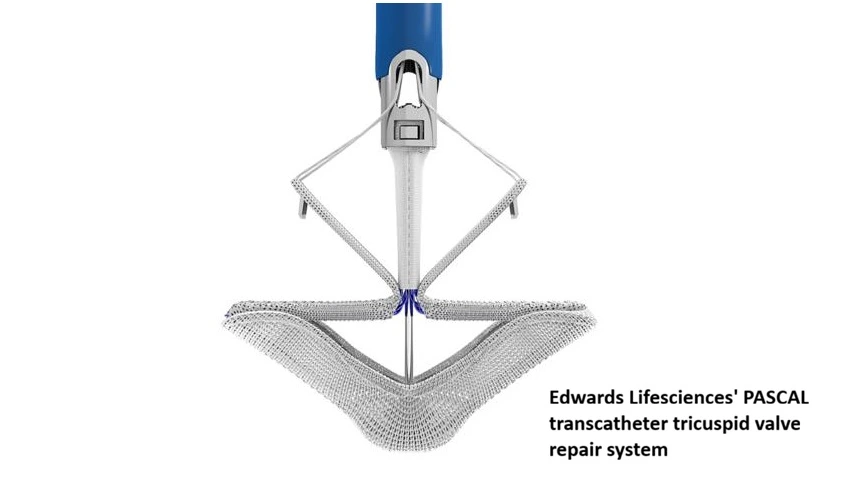
The US Food and Drug Administration (FDA) has approved Edwards Lifesciences’ PASCAL Precision system for tricuspid valve repair.
The system is indicated to improve quality of life and functional status in patients with symptomatic severe tricuspid regurgitation (TR) despite optimal medical therapy, who are at intermediate or greater risk for surgery and are considered suitable for transcatheter edge-to-edge tricuspid valve repair (T-TEER) by a multidisciplinary heart team.
With this approval, Edwards Lifesciences becomes the only company in the US to offer a portfolio of transcatheter repair and replacement therapies for both the mitral and tricuspid valves.
“The PASCAL system has been a valuable option for treating patients suffering from debilitating symptoms from degenerative mitral regurgitation in the US for several years, and we’re pleased that this differentiated therapy is now available to tricuspid patients in the US,” said Daveen Chopra, corporate vice president, Transcatheter Mitral and Tricuspid Therapies at Edwards Lifesciences.
“With the addition of the PASCAL tricuspid valve repair system to our portfolio of tricuspid transcatheter therapies, Edwards is able to support the treatment of a broader group of tricuspid patients, empowering clinicians to select the most appropriate therapy to treat more patients and support optimal clinical results,” he added.
Edwards Lifesciences also announced FDA approval of its PASCAL Ace with Capture Clarity system for degenerative mitral transcatheter edge-to-edge repair (M-TEER) procedures.
According to the company, the system is the first FDA-approved TEER device to feature fluoroscopic indicators that confirm when valve leaflets have been grasped. The technology is designed to address a challenging step in TEER procedures and simplify procedural complexity.
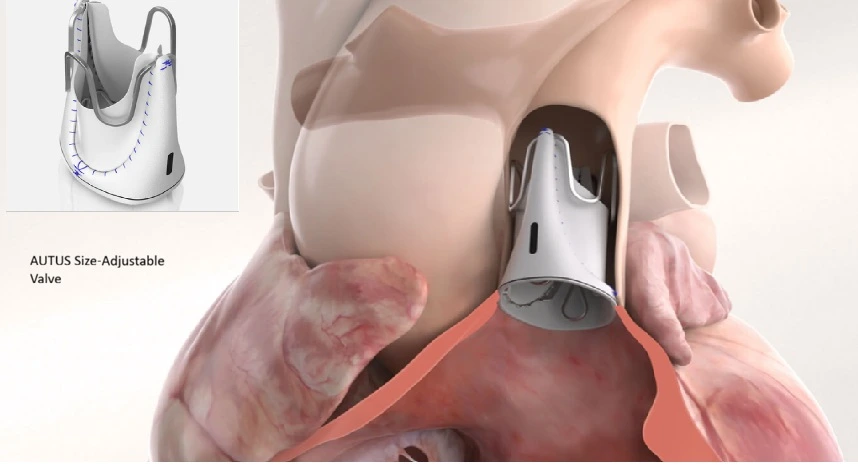
Earlier this month, Edwards Lifesciences received FDA approval for its AUTUS Size-Adjustable Valve, a surgical pulmonary valve developed specifically for paediatric patients with congenital heart disease who require pulmonary valve replacement.
Designed for paediatric anatomy, the AUTUS valve can be expanded as a child grows. The valve can be expanded through a minimally invasive transcatheter procedure, potentially reducing the need for repeated open-heart surgeries.