





The US Food and Drug Administration (FDA) has approved Mercy BioAnalytics’ Investigational Device Exemption (IDE) application for its Evident Ovarian Cancer Screening Test.
The approval allows the US biotechnology company to use the test in its pivotal SOARA Clinical Validation Study, a prospective clinical study designed to evaluate the safety of the test when used for ovarian cancer screening in average-risk women, following Institutional Review Board (IRB) approval.,
The study is expected to support the company’s ongoing clinical and regulatory programme for the Evident Ovarian Cancer Screening Test.
“FDA approval of our IDE application is an important milestone in advancing the Evident Test through the regulatory review process,” said Dawn Mattoon, CEO, Mercy BioAnalytics.
“We designed the SOARA study to build prospective evidence for our test as we continue working toward making earlier ovarian cancer detection available to more women,” she added.
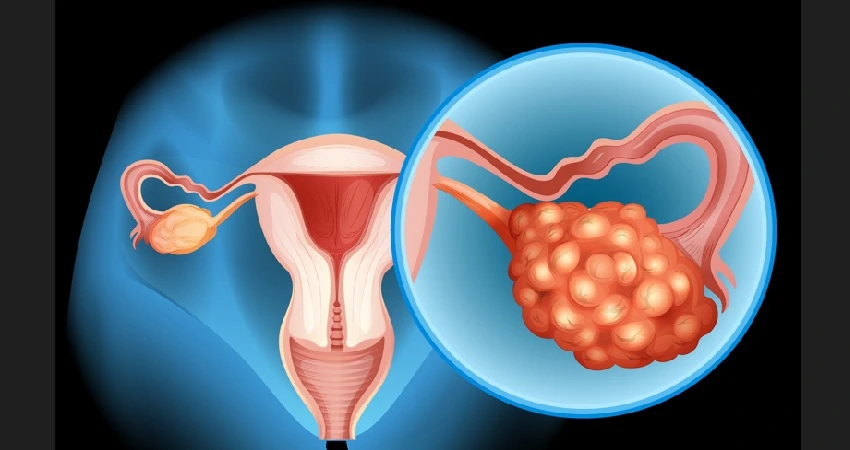
Ovarian cancer remains among the most lethal gyneacologic cancers and is frequently diagnosed at an advanced stage, when long-term survival is lowest. There is currently no FDA-approved screening test for ovarian cancer. The FDA has previously granted Breakthrough Device Designation to Mercy’s ovarian cancer test.
The Evident Ovarian Cancer Screening Test is powered by Mercy’s patented Mercy Halo liquid biopsy platform, which uses biomarker colocalisation to interrogate highly abundant, blood-based extracellular vesicles and particles that carry cancer-associated signatures from their cells of origin.
Approval of the IDE application permits Mercy to conduct the specified clinical investigation. It does not constitute FDA approval or clearance of the Evident Ovarian Cancer Screening Test.
If ultimately approved for clinical use, the blood-based test is intended to be used as part of routine ovarian cancer screening.